
Why Autonomous Cleaning Machines Matter
Picture this: a bustling manufacturing plant where cleanliness is paramount yet traditional cleaning methods cause disruptions. Did you know that over 30% of downtime in factories can be attributed to cleaning activities? This is where the autonomous industrial cleaning robot comes into play, offering a proactive and innovative solution to a time-consuming problem. I remember a case where a factory in Seoul adopted this technology and saw a 20% increase in operational efficiency within just three months. It’s fascinating, right?
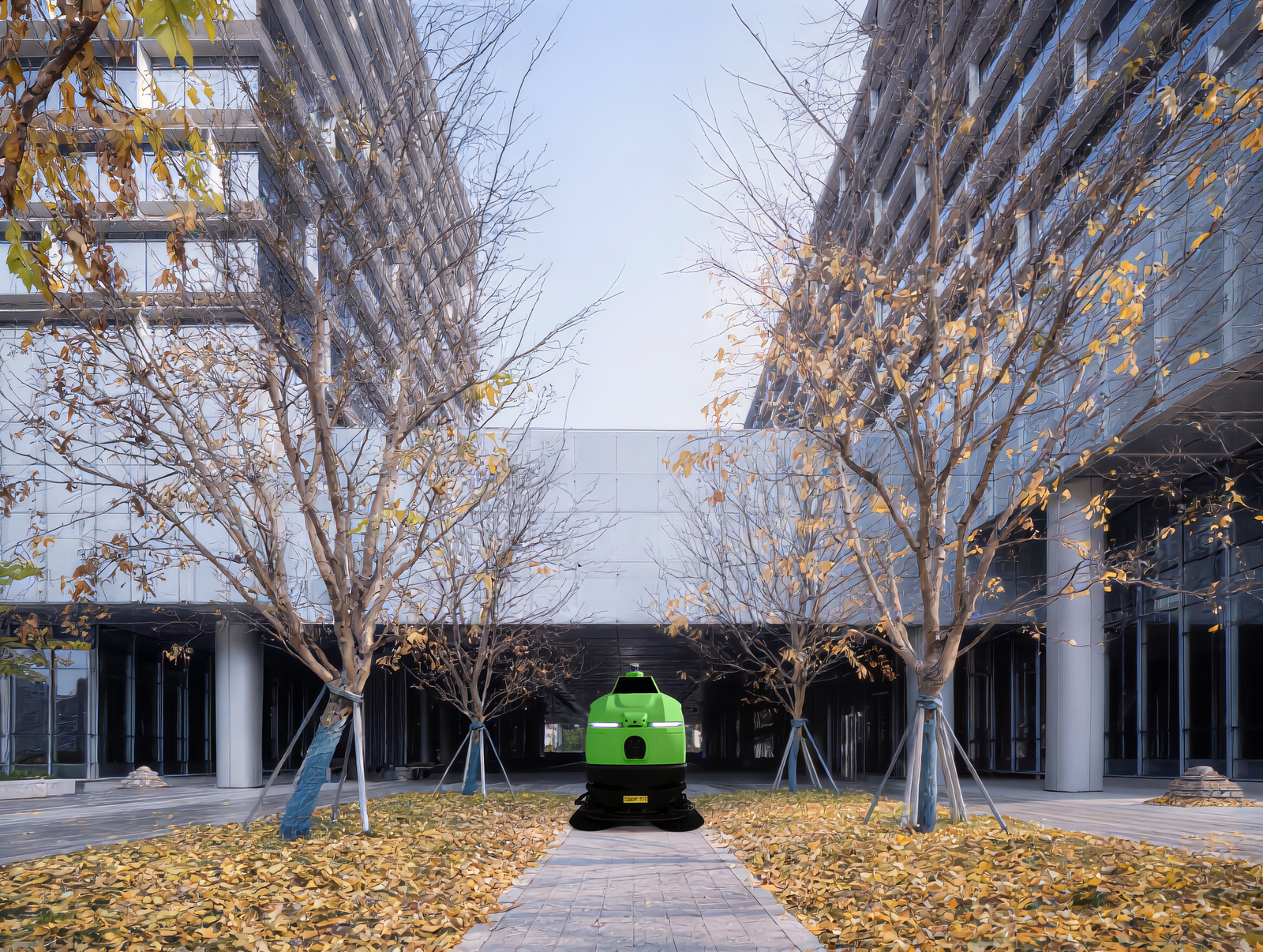
Challenges of Traditional Cleaning Approaches
Many companies struggle with outdated procedures that require significant manual efforts. This not only wastes precious hours but also exposes workers to hazardous environments. For instance, I once spoke to a plant manager who lamented about how their cleaning crew had to halt production regularly. It was a logistical nightmare! Instead of embracing the future, they were still anchored to the past with traditional scrubbers and mops—the irony is rich, considering the technology at our fingertips.
What’s the Game Changer?
Transitioning to an autonomous industrial cleaning robot represents a significant shift in cleaning methodologies. As these machines utilize AI and sensor technology, they streamline operations, ensuring thorough cleaning without the need for constant human oversight. It’s nearly like having an extra pair of hands, but one that works tirelessly and intelligently. The options available are better than ever, with models designed for both expansive warehouse floors and confined spaces.
Looking Ahead: Embracing New Technologies
In the landscape of industrial cleaning, adopting autonomous solutions should not just be an option—it should be a priority for businesses looking to improve productivity. Companies investing in these robots report enhanced safety measures and savings that can reach thousands of dollars annually, not to mention the enhanced compliance with cleanliness standards. Strikingly, the development of these robots has facilitated a workload shift, allowing staff to focus on higher-value tasks while these cleaning machines take over the gritty details. Technology is evolving quickly—are you keeping up?
Real-world Impact
Implementing an autonomous industrial cleaning robot can deeply transform your operations. Reflecting on my years in the industry, I remember advising a logistics firm that embraced this technology in 2022. The shift not only improved their bottom line but also boosted employee morale as teams were no longer bogged down with repetitive cleaning tasks. The excitement was palpable—a true win-win situation.
Key Takeaways
From my observations, it’s critical for stakeholders to consider three essential metrics when evaluating cleaning solutions: quality of output, frequency of operation, and cost-effectiveness. These robots are not merely tools; they are integral partners in crafting a safer and more efficient workplace. It’s essential to ask the right questions and challenge existing norms. So, why continue laboring under traditional methods that frustrate both management and employees alike? Embrace change—it’s the only way forward.
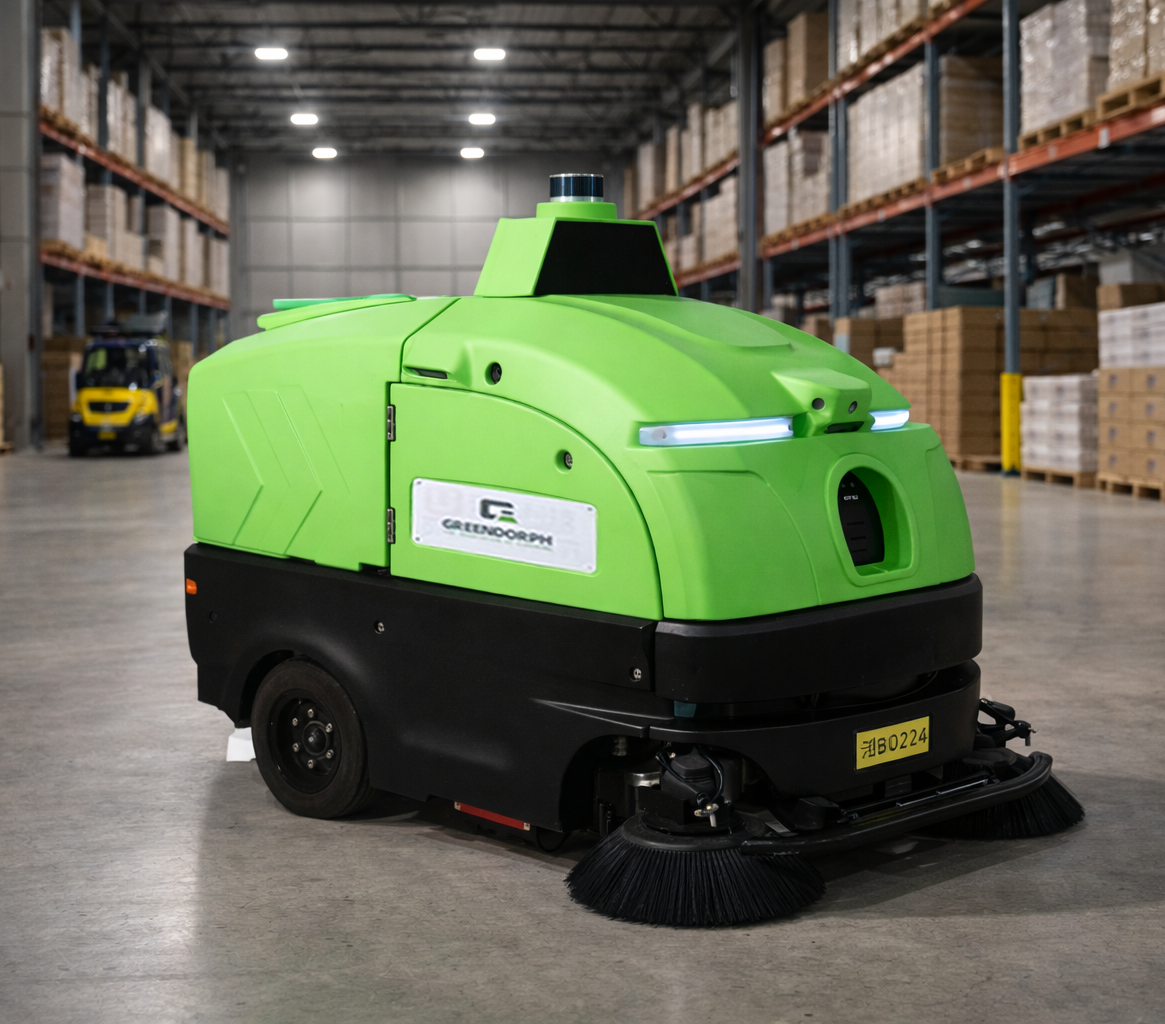
After all, innovation isn’t just about upgrading your equipment; it’s about fostering an environment that promotes efficiency and safety. It’s your move now; let’s make it count. For more information and to explore the possibilities further, check out Greendorph. Let’s transform the future of industrial cleaning together.
