
Introduction: When Volume Meets Reality
Here’s the truth: the bin you pick shapes the daily pace of your site. Trash can manufacturers know this better than anyone because failure shows up fast—in dents, in odors, in jams at the loading dock. If you’re sourcing wholesale trash cans, the first order looks easy; the second is where the trade-offs hit your budget. Picture a busy cafeteria at noon, liners tearing and lids slamming while staff rush to keep up. A study of facilities purchasing shows waste-handling labor can swing 10–18% based on bin fit and durability alone. So, what if your bulk buy could cut cycle time and noise, not add to it?
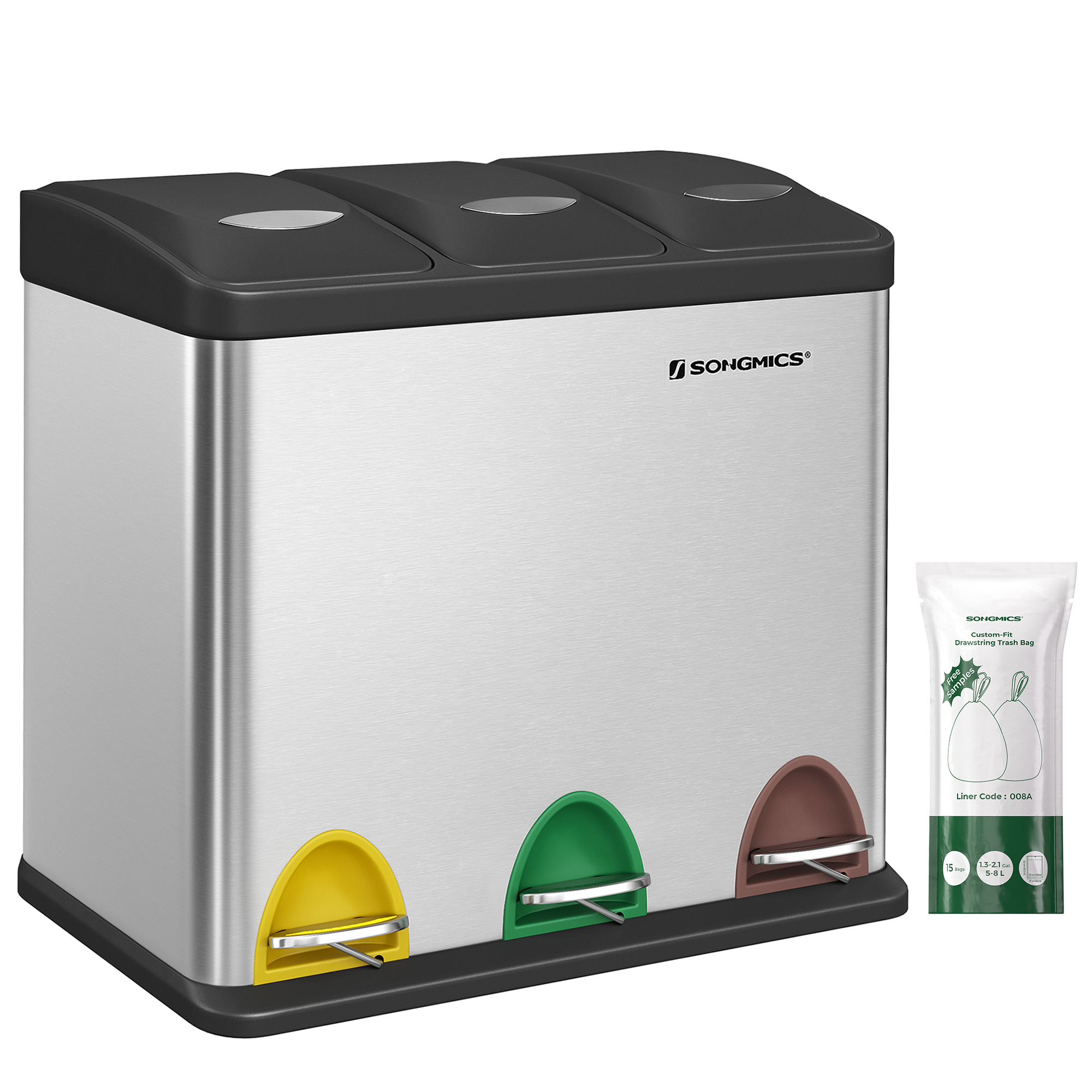
We’ll break down the comparison points that move the needle—lid mechanics, liner compatibility, and long-term finish (powder coating vs. brushed steel). We’ll also look at how injection molding choices and hinge design affect real-world wear. And then answer the hard question: are you buying low cost, or low cost to operate? Let’s compare what really matters next.
Beyond Unit Price: The Hidden Weaknesses That Cost You Later
Technical view, straight up. Most bulk buys fail in three quiet places: fit, flow, and finish. Fit: liners that don’t lock cause creasing and tearing, which means re-bagging and wasted minutes. Flow: pedal systems with light torsion springs feel fine on day one, then misalign under load, spiking downtime. Finish: thin-gauge metals or low-grade polypropylene resin show scuffs, then corrosion, then odor cling. These are not minor flaws; they are recurring costs. Look, it’s simpler than you think. If a bin’s hinge pins aren’t robustly injection-molded or the lid lacks damping, you’ll pay in noise and replacement parts—funny how that works, right?
Where do legacy choices stumble?
Legacy models chase lowest upfront price and skip lifecycle math. They ignore liner tolerance bands, gloss over ASTM salt-spray data, and treat powder coating like a checkbox. They also miss new options like silent-close dampers and gasketed lids for better VOC control. Result: odor creep, higher janitorial labor, and complaints. Add in logistics reality—forklift bumps, tight corners—and the picture is clear. If the pedal arm isn’t reinforced, or the base lacks anti-skid pads, your “savings” vanish. This is where small engineering cues matter: resin grade, wall thickness, and even IPX4 splash resistance for wet zones. Buy once, measure twice.
Comparative Insight: Smarter Builds, Cleaner Ops
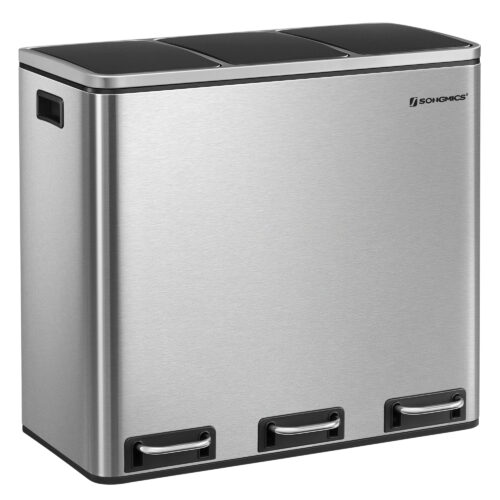
Now, look ahead. The best designs are moving to quiet, safe, and trackable. New technology principles are simple: damp the motion, seal the rim, and right-size the liner. Silent-close lids use compact dampers to slow swing. Foam or silicone gaskets reduce odor and pests. Pedals shift to steel cores, not plastic levers, improving torque over time. Even better, sensor modules—with onboard power converters—can flag fill levels to edge computing nodes for route timing. Not sci-fi. Just clean ops. And if you need everyday workhorses, options like 13 gallon trash cans with lids wholesale balance household-friendly size with commercial-grade hinges and liners. Smooth, repeatable, low drama.
What’s Next
Compare side by side. Traditional units rely on thicker walls and hope. Newer builds tune geometry and materials for stress points. That means reinforced pedal pivots, liner rings that clamp evenly, and coatings tested for spray-and-wipe cycles. Field results tell the story: fewer bag failures, lower dB on lid closures, and better hygiene scores. A quick pilot across two sites can show 8–12% faster turnover by cutting re-bags and reducing trips. Not to mention fewer service tickets. It adds up—per shift, per month, per contract.
How to Choose: A Comparative Checklist
Let’s turn insight into action. Use three metrics to evaluate any bulk option—and document the results. 1) Lifecycle cost per station: price + average parts replacements + labor deltas (track re-bags and lid jams). 2) Performance durability index: hinge/pedal test cycles, coating abrasion, and odor retention after standardized cleanings. 3) Fit-and-flow score: liner compatibility rate, lid damping (noise in dB), and stability under lateral push. If a model scores well here, you’ll feel it in quieter rooms, cleaner floors, and steadier schedules. And if a vendor can’t give you test data, that’s your signal—time to compare elsewhere.
In the end, the best “deal” isn’t the lowest invoice; it’s the cleanest shift with the fewest surprises. People notice quieter lids. Staff notice fewer bag breaks. Finance notices stable OPEX—of course they do. Choose with evidence, pilot in the wild, and scale what works. For dependable sourcing and specs you can benchmark, see SONGMICS HOME B2B.