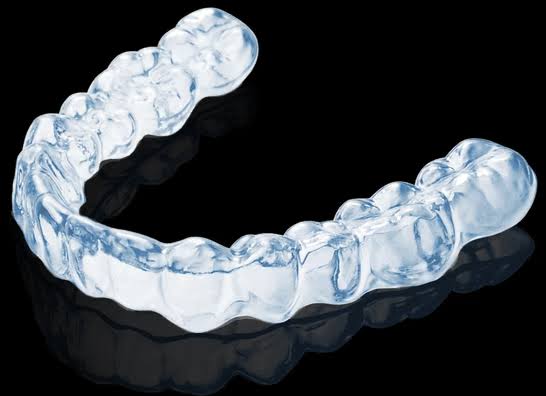

Introduction — a small scene, a big question
I remember sitting on a porch with my cousin, watching her hesitate before smiling for a photo — she was twenty-seven and still worried about crooked teeth. lulusmiles came up in conversation because she’d been scrolling reviews all night (she’s picky, bless her). Recent surveys show nearly half of adults would change their smile if they could afford better options — so why do so many of us stall when choices exist? I want to walk you through what actually trips people up and how to make sense of it all, plain and simple. Let’s get into the nuts and bolts next.
Why the usual fixes don’t fully solve the problem
best invisible braces are celebrated in ads, but when I talk to real users I hear the same cracks in the story. Clinicians often promise fast results with clear aligners or ceramic brackets, yet patients report unexpected pain, longer timelines, and bite problems (occlusion issues). From my experience — and I’ve spoken to dozens of folks — the core flaws are predictable: one-size-fits-all plans, underestimated tooth movement complexity, and poor follow-up care. Those gaps lead to relapse, discomfort, and lost trust.
How does that happen?
Technically, many plans ignore the biomechanics: archwire force vectors get simplified, and realistic tooth movement timelines are squeezed. That causes higher bite force on certain teeth, delayed settling, and sometimes the need for mid-treatment adjustments. Look, it’s simpler than you think — the body doesn’t rush to cooperate just because an app sends reminders. I’ve seen cases where lingual braces were insisted upon for cosmetic reasons, but the patient ended up with increased sensitivity and longer chair time because the root movement wasn’t planned right. That’s the hidden toll: time, money, and confidence.
Looking ahead — practical paths and three metrics to weigh
What’s next? I like to frame this as a mix of example and outlook. Take a recent patient I followed: she chose a hybrid plan — clear aligners plus targeted brackets — and we mapped realistic milestones. The plan used staging principles that respected biological limits, and we paired it with a clear aftercare retainer strategy. The result? Shorter surprises, fewer adjustments, and a steady improvement in occlusion. You’ll want to consider how new approaches blend technology and hands-on expertise; new materials and CAD planning help, but they don’t replace clinical judgment.
Real-world impact — what to look for
When you evaluate options, I recommend three clear metrics: (1) Treatment predictability — are there documented case outcomes for situations like yours? (2) Follow-up and retention plans — will you get a solid fixed retainer or equivalent routine to guard results? (3) Comfort and function — does the plan address occlusion, not only alignment? Measure these and you’ll avoid the usual disappointments. Also — funny how that works, right? — people underestimate aftercare. I know I did once.
So, to wrap up: be skeptical of flashy promises, value transparent plans that match biological realities, and insist on retention strategies that last. I’ve walked these paths with patients, and the difference between an OK outcome and a smile that changes a life is often the follow-through. If you want to explore options or see real examples, check out lulusmiles — they helped my cousin decide with confidence, and that’s what matters to me.