
Introduction: A Technical Lens on Mobility
Autonomous mobile robots are self-directed carriers that map, plan, and act with on‑board compute. In short, an amr robot senses, decides, and delivers without fixed guides. Picture a busy line-side zone where pallets arrive late, aisles pinch, and people cross paths; under such strain, modern fleets in industrial automation and robotics often cut idle time by double digits, while legacy movers stall on small surprises. One plant study showed 18–25% variance in cycle time fell when paths adapted via SLAM and LiDAR, and charge windows aligned with shift breaks (simple, but powerful). Are we measuring the right things—throughput alone—or also resilience under change? The distinction matters when your floor plan shifts every quarter, and your BOM mix changes every week.
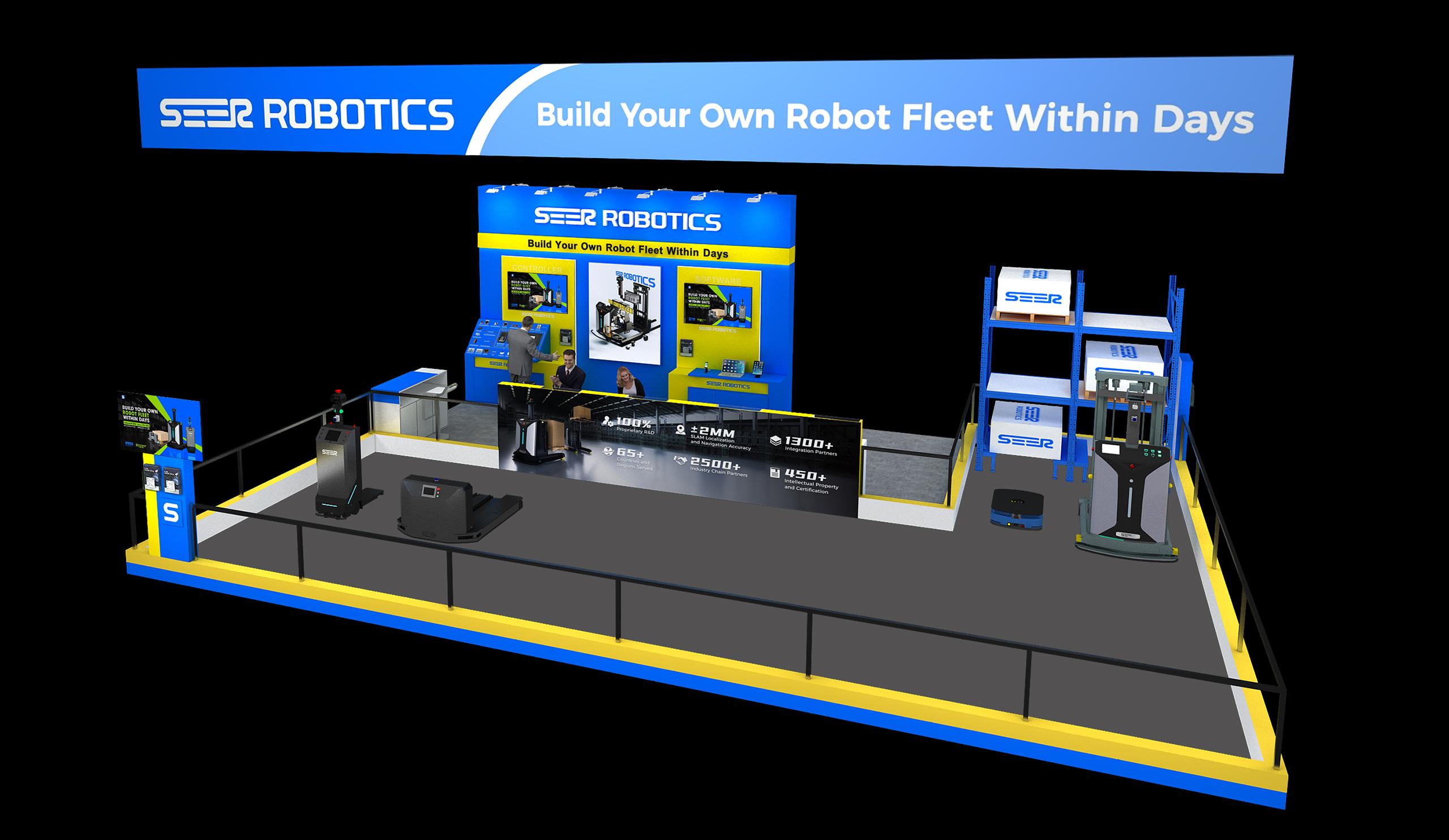
Let us ground the idea: edge computing nodes on each vehicle fuse maps, traffic, and energy status to make local calls; fleet orchestration coordinates the big picture. That means fewer radio dead zones, fewer brittle rules, and fewer “wait for IT” moments. Yet history whispers a warning: old fixes have a habit of sticking around long past their prime—funny how that works, right? So the real question becomes: What hidden costs do those fixes conceal, and when do they tip the balance? We turn there next, carefully.
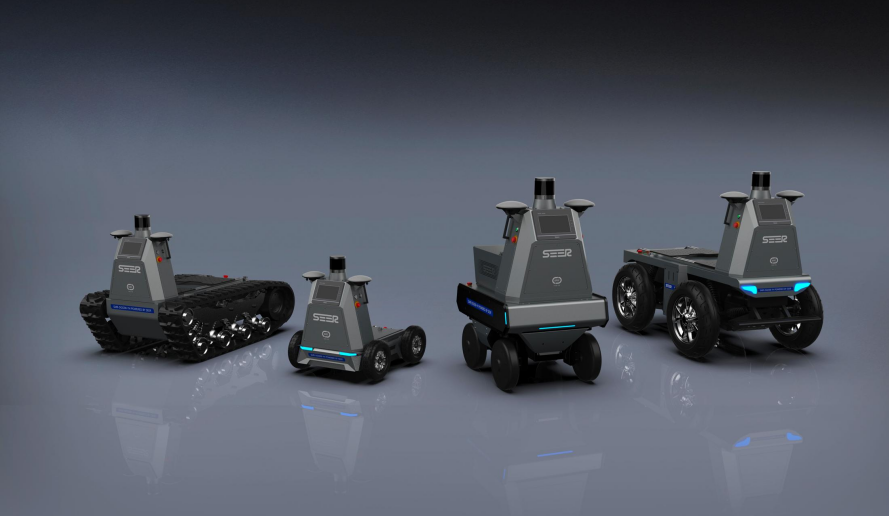
Old Fixes, New Friction: Where Legacy Motion Falls Short
Why do old fleets stumble?
Earlier guidance traced the broad gains of flexible transport; here, we probe the weak seams that standard guides and tape-bound vehicles leave behind. In many floors, automated guided vehicles rely on magnetic tape or reflectors and rigid PLC handshakes. When a rack moves, paths break; when a vendor swaps a pallet footprint, side clearance fails; when SKU mix spikes, queues balloon. Look, it’s simpler than you think: fixed logic cannot keep up with variance. By contrast, adaptive fleets in industrial automation and robotics recalibrate routes with real-time SLAM, and they downgrade gracefully when blocked. Traditional layouts also hide energy drag. Long idles, blunt charge cycles, and mismatched power converters waste capacity, then clog lanes at the worst hour. Add brittle interfaces—one-off WMS bridges, bespoke MES calls—and each change spawns a week of patches. People cope with workarounds; systems do not. The outcome is a patchwork of “don’t touch that” zones that no one wants to own—precisely when the product roadmap demands faster turns. And here is the sting: the failure mode is not a crash, but a slow leak of time that never shows on a single report, only in overtime and missed slots.
Comparative Signals: Principles That Lift AMRs Beyond the Old Baseline
Real-world Impact
To look forward, compare design principles, not anecdotes. AMR fleets are built on perception-first control, mesh comms, and contract-based tasks. Vehicles run ROS 2 or similar stacks for modular updates; fleet managers arbitrate priorities, while pathing engines trade speed for safety on demand. Edge planning reduces round‑trip latency to the cloud; orchestration enforces fairness so no cell starves. In practice, this means aisle merges that self-throttle, dock calls that reassign on the fly, and charge sprints that avoid peaks. A European line changeover trial cut tugger miles by 22% after switching to dynamic task bundling and time-of-flight sensors— and yes, that surprised the plant manager. When standards like VDA 5050 ease multi-brand integration, you can mix roles: tugs, carts, lifters. The fabric gets smarter as you add nodes. This is where industrial automation and robotics stops being a project and acts like infrastructure.
Now, a short forecast. Expect more energy-aware routing, where battery health and power converters inform who moves next, not just who is closest. Expect tighter WMS and MES loops, where order state and kitting windows alter missions mid-run. Expect safety that scales, as LiDAR fusion and semantic maps flag risky zones before people do. The contrast to tape and reflectors is stark: instead of avoiding change, systems lean into it. Summary, not a repeat: brittle rules create delay debt; adaptive perception plus fleet policy pays it down, shift after shift. If you must choose, use three checks. First, rate perception depth: sensors, SLAM quality, and how the stack handles occlusion. Second, test orchestration under stress: mission conflicts, aisle blockages, mixed-priority loads. Third, score lifecycle openness: APIs, update cadence, and vendor-neutral standards that let you grow. For a grounded view and tooling that fits real floors, see SEER Robotics.
