

A Real-World Start: When Shelves Go Quiet
What’s really happening on the shelf?
It’s 7:15 a.m., and a store manager walks the beauty aisle to find a few empty facings where the bestsellers should be. The round perfume bottle that usually anchors the display is missing from two rows. Last quarter’s data shows a 9.6% out-of-stock rate, a spike in returns for scratched glass, and a jumpy 14–21 day lead time. So where do you even start with a fix—a better forecast, or a better round perfume bottle supplier? Today’s lines run with sensor arrays and edge computing nodes, yet a simple cap misfit can stall a shipment. The power converters hum, vision cameras click, and still a neck finish that’s off by a hair leads to leaks—funny how that works, right? In a Midwestern way, we like to keep it practical (and kind). But the question is pointed: are we solving the right problem, or just pushing it downstream? The scenario is simple; the system is not. And if the same noise shows up in three data sets, you bet it’s real. Let’s walk through the root causes, not just the symptoms, and get ready to make changes that stick—starting where most projects stumble.
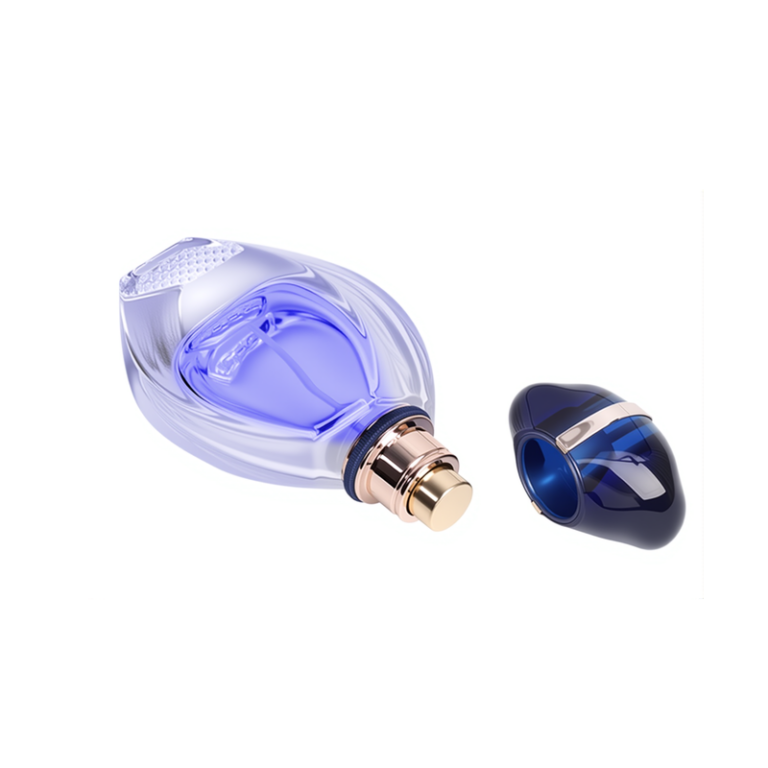
Under the Surface: The Hidden Costs of “Good Enough” Sourcing
Where do the old methods fall short?
Technical take: traditional sourcing treats price and MOQ as the headline, while the real story lives in tolerances and time. Neck finish tolerance drifts by ±0.2 mm? That small error can break crimp torque targets and raise leak rates above acceptable PPM. When the annealing curve wanders, micro-stress invites breakage in transit. Without SPC at the hot end, defect modes stack up, and rework hides in averages. Add in unstable lead-time variance and partial pallet releases, and you get a slow bleed. FEA on the shoulder radius could predict shatter points, but many specs stop at “clear glass, 30 ml.” Look, it’s simpler than you think: define the process window, not just the product. Then ask who measures it, how often, and with what data trail.
There are human pain points, too. Buyers chase samples that look great, then battle batch-to-batch shifts. Fill lines pause because the pump tube scuffs the collar. Labels bubble because surface energy is off. Even freight adds noise when tray design isn’t tuned to the bottle’s center of mass. And when a return hits, the photos never match the lab notes—because there weren’t any. The fix starts with a supplier who shows the neck profile histogram, the heat map from inline cameras, and a clean chain of custody. Without that, you’re choosing a price, not a program. The punchline lands late—after the holiday build, when you least want surprises.

Forward Look: Principles That Future-Proof the Bottle Line
What’s Next
Semi-formal lens: new principles turn a glass bottle into a data object—and that changes the math. Digital twins model shoulder stress and heel impact before a mold is cut. Machine vision writes the real spec with live variance bands, not wishful thinking. A lightweight blockchain ledger can tag pallets to a batch, to a cavity, to a shift, and back to a mold insert swap. When a perfume round bottle lot lands, you know its exact annealing profile and whether it stayed in the safe zone. APIs feed your MES, and alerts fire only when variance breaches the control plan—no more 200-message storms. You gain traceable quality, and you lose guesswork. That’s the swap worth making.
In practice, the line shifts from “inspect at the end” to “stabilize as you make.” CNC mold sets are versioned like code. IoT beacons on racks confirm humidity before carton sealing—small detail, big effect on label laydown. And yes, an edge model on the camera bank can flag chipping in milliseconds—before the pallet wraps. Different? Sure. But it’s not sci‑fi. It’s a steady upgrade path that meets you where you are—one tolerance band, one dashboard at a time.
Before you choose, use three metrics to keep the conversation honest. 1) Process capability: ask for Cp/Cpk on neck finish, height, and weight, plus defect PPM by mode—no averages only. 2) Lead-time stability: measure variance week over week and the on-time-in-full rate at the pallet level. 3) Data transparency: require an API-ready quality feed with lot-level traceability and clear alert thresholds. Do that, and your shelf stays full, your fill line stays smooth, and your team sleeps better—because the system finally lines up with the promise. NAVI Packaging