
A New Dawn in Agriculture
Imagine walking through a lush green farm, the scent of fertile soil wafting through the air. According to the USDA, organic farming has grown by 20% in recent years, leading many to wonder how farms like these achieve such success. The answer often lies in the use of a Bio-organic fertilizer fermentation tower, a technology revolutionizing the way organic waste is converted into nutrient-rich fertilizers. Traditional composting methods can be lengthy and inefficient, making the fermentation tank an appealing alternative.
Exploring Traditional Solutions
One key issue with traditional composting is time: it can take months to produce usable fertilizer. Moreover, there’s always the risk of inconsistent quality. I remember visiting a farm in Illinois back in 2020 where the owner struggled with smelly compost heaps—the kind that would deter even the hardiest of farmhands. The introduction of organic fertilizer fermentation tanks not only curtailed odor issues but also sped up the process significantly. Not to mention, farmers can achieve higher efficiency levels, transforming waste into valuable resources in just weeks rather than months.
What Makes Fermentation Tanks Different?
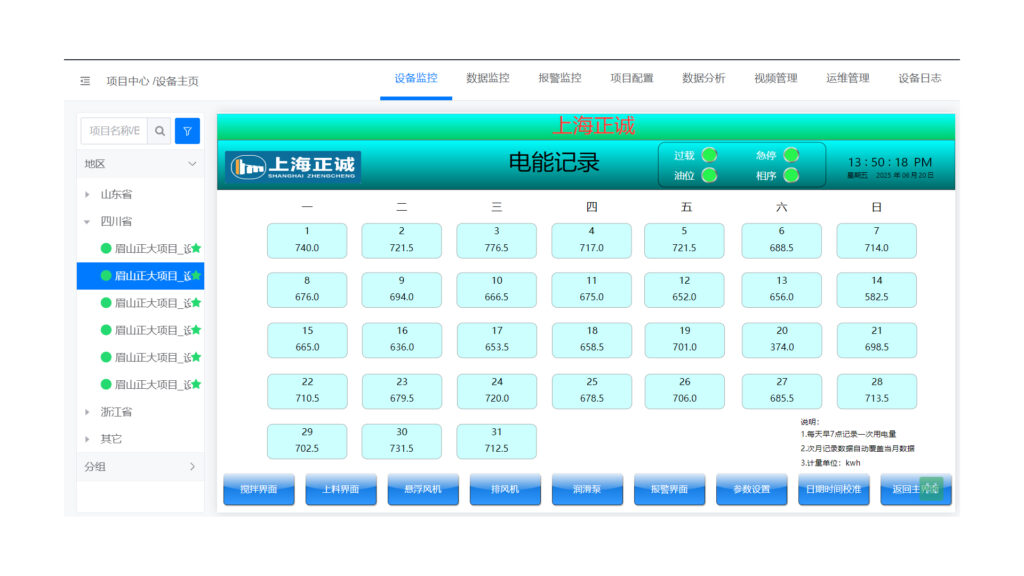
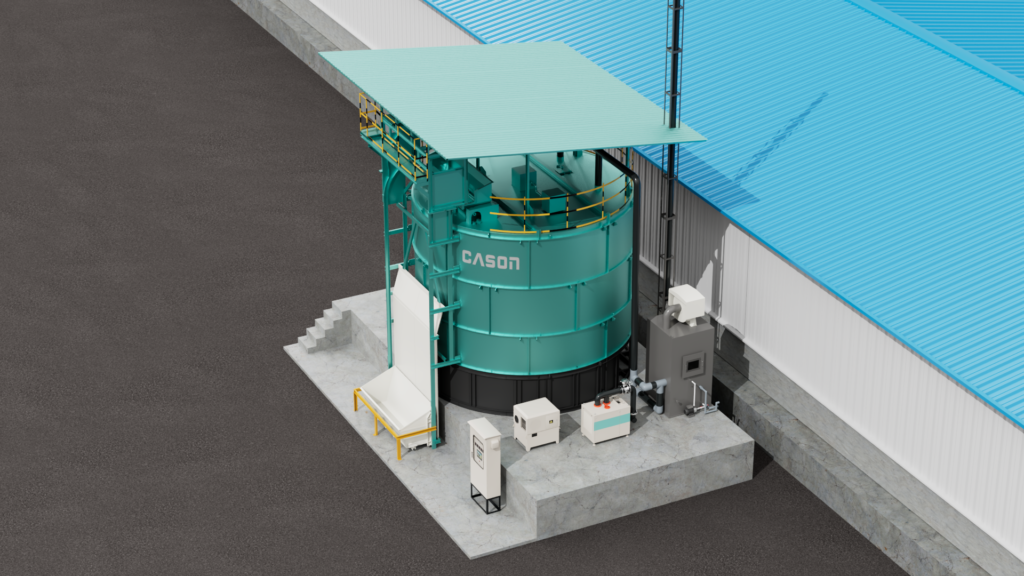
The technology behind these fermentation tanks isn’t just modern; it’s also smart. These tanks regulate temperature and aeration automatically, ensuring optimal conditions for microbial activity. With enhancements in efficiency, it’s becoming increasingly viable to implement fermentation products within a variety of farming setups. Farmers can drastically cut down time and costs with the right organic vertical fertilizer fermentation tank, making them a go-to option for sustainable agriculture.
Looking Ahead: The Future of Organic Fertilizer Production
With sustainable practices reshaping the agricultural landscape, fermentation tanks will undoubtedly be at the forefront. Farmers are increasingly recognizing the financial and environmental benefits of shifting from conventional methodologies. Today, as I consult with clients, I encourage them to assess their fertilizer production strategies. How do they measure success? Are they merely assessing yield, or are they considering the ecological impact?
What’s Next in Sustainable Farming?
As we head into a future of growing consumer demand for organic products, it’s crucial for producers to embrace innovations such as fermentation tanks. The ability to generate high-quality organic fertilizers from waste not only satisfies market demand but also promotes a circular economy (think of reducing carbon footprints while increasing farm resilience). In my experience, farmers leveraging these technologies have seen not only improved crop yields but also overall farm sustainability—transforming potential waste into profit in a way that would have been unimaginable a decade ago.
Summarizing Key Insights
In conclusion, the advent of organic fermentation technology signifies a major shift in agricultural practices. Farmers transitioning from traditional methods to established fermentation tanks can reap significant benefits in both productivity and sustainability. If you’re evaluating solutions, consider metrics such as turnaround time, nutrient quality, and operational cost efficiency. Effective decision-making will lead to measurable results, ensuring you stay ahead in this rapidly evolving sector.
Remember, sustainable practices aren’t just a trend; they are the foundation for future agricultural success. If you want to explore potential solutions further, companies like Cason are leading the charge with cutting-edge technology tailored for farmers eager to innovate and improve their practices.
