
Introduction: A Game Changer in Manufacturing
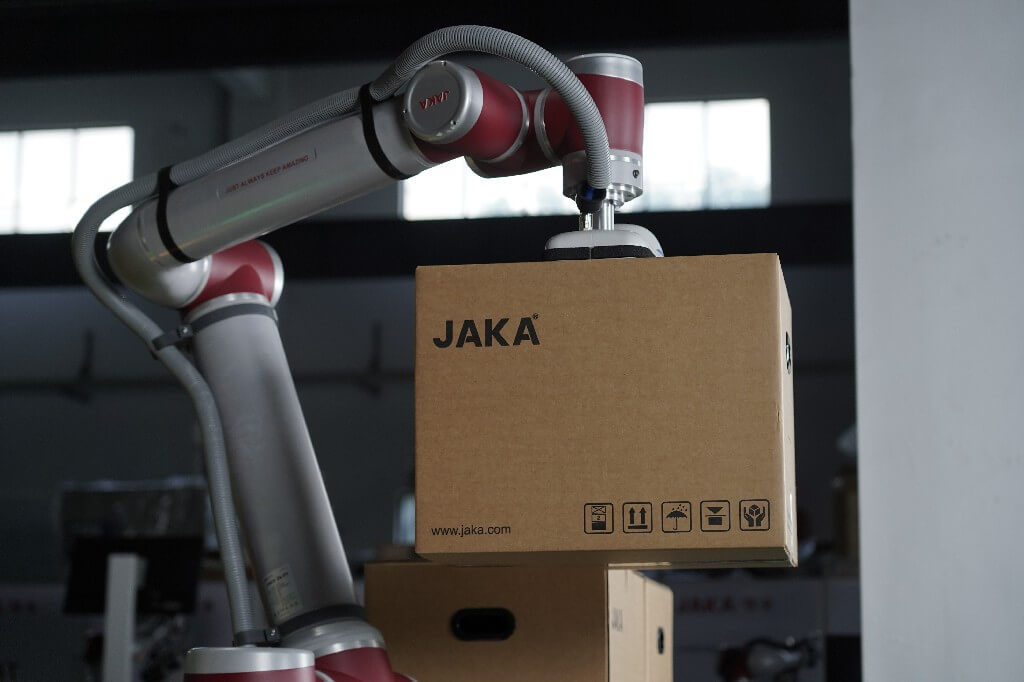
Picture this: a bustling factory floor, robots whirring in harmony, and production rates soaring. Did you know that a well-implemented industrial welding robot can increase operational efficiency by as much as 30%? It’s remarkable to think how the integration of these machines, particularly when employing a palletizing robot arm like the palletizing robot arm, can revolutionise your production processes. Industrial welding robots can do just that!
Transforming Traditional Solutions
Many manufacturers still cling to outdated methods, relying on human welders to manage intricate tasks. While skilled hands are valuable, they often lead to inconsistencies in quality and slower output times. I vividly recall speaking with a plant manager who bemoans the fluctuating performance levels of his welders during peak times. Plus, the safety hazards inherent in welding work raise considerable concerns. Enter the industrial welding robot—these machines excel at repetitive tasks with precision and consistency. The longer you wait to adapt, the more efficiency you’re leaving on the table.
What Are the Hidden Pitfalls?
Even with advanced technology, companies may experience integration hurdles. It often boils down to underestimating the training required for staff to interact with these sophisticated machines effectively. I’ve come across facilities that struggled because their teams were not thoroughly equipped to handle the transition. Another challenge is maintaining the equipment—neglecting regular servicing can lead to downtime that undermines production goals. Investing in initial training and ongoing support, however, can yield substantial returns.
Looking Ahead: Embracing Innovation
As automation continues to thrive, the landscape of manufacturing is changing rapidly. I’ve noticed that companies leveraging the palletizing robot arm can stay ahead of the curve, achieving higher turnover rates and ultimately increasing profit margins. Imagine a scenario where realtime data analytics and automation coalesce to create a seamless production workflow! Harnessing automation allows for better insights, reducing waste and maximising output.
Real-world Impact of Advanced Robotics
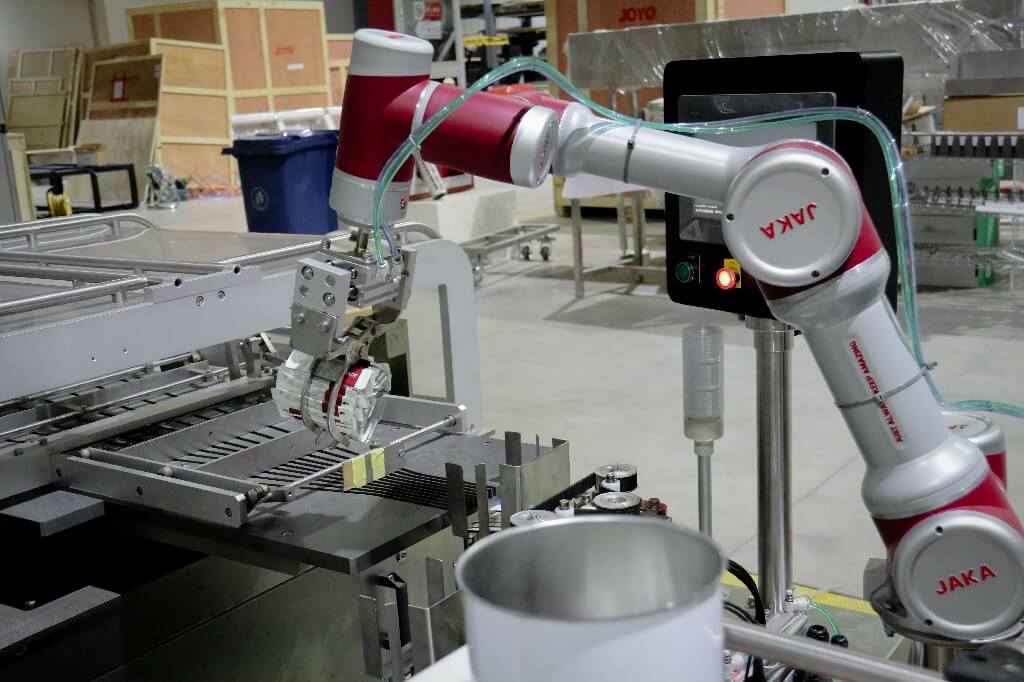
Adopting these innovations isn’t merely about modernising; it’s about rethinking productivity. My experiences have shown significant shifts in job roles. With robots taking over the repetitive, laborious work, employees are freed to focus on critical thinking and strategic planning. It’s not just a win for the factory but a win for your workforce.
Key Metrics for Optimising Your Solutions
When assessing the performance of industrial welding robots, consider three crucial evaluation metrics: time saved on manual processes, the consistency of weld quality, and the overall reduction in production costs. By focusing on these parameters, you can determine where automation is delivering the biggest punch. Automation is indeed the future, but remember, it’s about using the right tools to solve your unique operational challenges.
To recap, embracing industrial welding robots like the palletizing robot arm can tremendously uplift your manufacturing game. This shift not only reduces risks and boosts efficiency but allows your workforce to engage in more meaningful tasks. Investing in technology is great, but investing wisely in training and maintenance will secure your success.
Ultimately, innovation should empower people—not replace them. Each factory is different, and while technology paves the way, the human element remains vital. I firmly believe that with the right approach, we can all achieve greater heights in manufacturing efficiency. To stay updated and reinvent, check out JAKA for tools that can help you transition seamlessly into this new era of automation.
