
Introduction — Defining scope, stakes, and the central question
Definition: an automated nucleic acid extraction workstation is an integrated platform that performs sample lysis, binding, washing and elution under programmatic control. In a typical mid-sized diagnostic laboratory scenario, throughput demands can surpass 1,000 samples per day while regulatory obligations — traceability, chain-of-custody, and validation records — remain non-negotiable. The automated nucleic acid extraction workstation sits at the intersection of instrumentation, informatics and quality assurance (think: sample pre-analytics, reagent qualification). Given recent data showing up to 12% re-run rates in rushed workflows, how should a lab reconcile throughput imperatives with reproducibility and legal defensibility? I ask because I’ve seen teams scramble when a single failure event threatens an entire run. (This matters to lab directors, compliance officers, and bench scientists alike.) The next section examines the pain points that undercut many current solutions and explains why surface fixes rarely address the root causes — leading us into a deeper comparative assessment of alternatives.
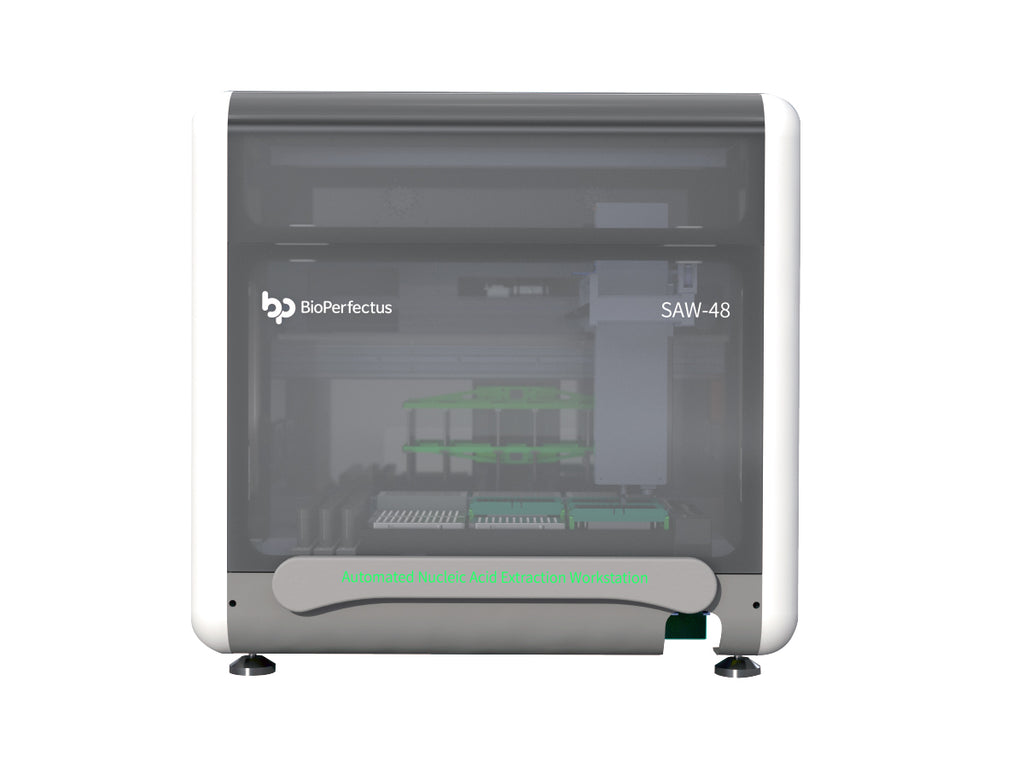
Part 2 — Why many solutions fall short: technical faults and hidden user pain
Referencing the introduction, I’ll be blunt: a nucleic acid extraction workstation that promises “hands-off” processing often conceals fragile assumptions. Directly stated — rigid protocol templates, poor liquid handling calibration, and opaque failure logs create recurring throughput loss. Look, it’s simpler than you think: if magnetic bead separation steps are tuned for ideal samples but fail when clinical matrices vary, the downstream PCR will scream (and you’ll re-run). I’ve felt the frustration of watching hours of queued samples stall because a single pipette tip error went unnoticed. In my view, the common culprits are not just hardware — they are poor integration of liquid handling robotics with sample tracking and an absence of robust error recovery. Throughput suffers when the workstation cannot auto-detect pipetting anomalies, or when PCR inhibitors persist because wash steps were truncated. Those are not hypothetical; they are operational realities that cost time and morale.
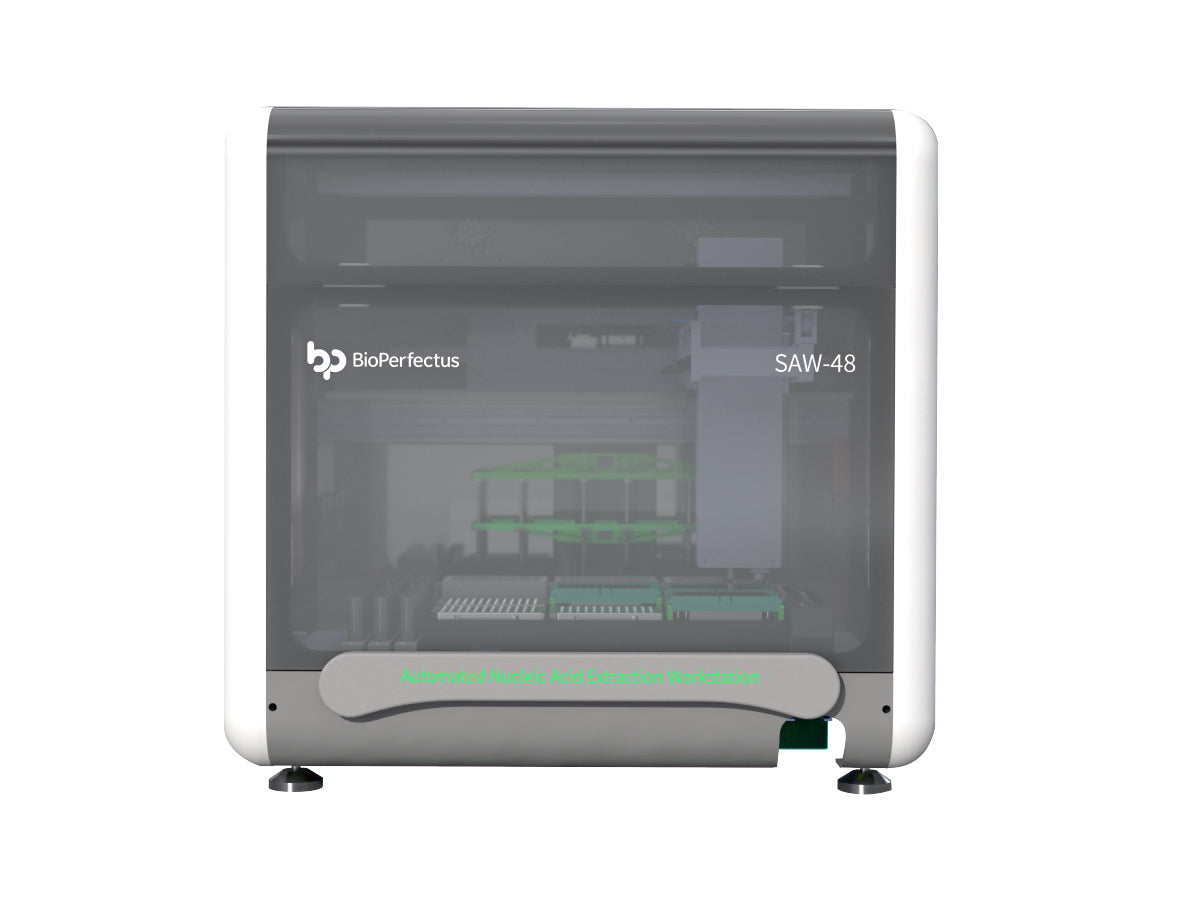
How do these failures show up at the bench?
First, you get inconsistent yields — variable nucleic acid concentrations across replicates. Second, traceability gaps: barcode mismatches or missing metadata that force manual reconciliation. Third, maintenance blind spots: consumable fatigue or wear on dispensing valves that nobody documented. I think these pain points are both technical and human. Operators grow resentful of brittle software; managers endure the stress of late reports. The lesson: replacing a component without redesigning workflows gives only temporary relief. We need systems that pair resilient mechanics with transparent diagnostics and user-centric interfaces. That’s the bar I use when evaluating options — practical, unforgiving, and informed by repeated failures.
Part 3 — New technology principles and a forward-looking checklist
What’s Next: I want to describe the technical principles that actually move the needle. First, adaptive protocol control — systems that adjust wash volumes or mixing times based on real-time sensor feedback (conductivity, turbidity). Second, modular automation: swapping a liquid handling module or a magnetic rack without a full validation cascade. Third, smarter telemetry — logging temperature profiles, pump currents, and tip-pressure metrics to a secure audit trail. When a nucleic acid extraction workstation embraces these, labs see fewer re-runs and clearer CAPA records. I’ve tested prototypes where edge computing nodes analyze dispenser variance on the fly — the gains were tangible: less hands-on time, steadier yields. — funny how that works, right?
Real-world Impact and practical advice
In practice, the value shows up in three domains: reliability, compliance, and staff confidence. Reliability means fewer aborted runs and better nucleic acid integrity; compliance means crisp audit trails that survive inspection; staff confidence means technicians who trust the machine and stop second-guessing every plate. I won’t sugarcoat it — full transformation takes investment and governance. But if you prioritize modularity, sensor-driven feedback, and clear user interfaces, you get a system that pays back in reduced repeat testing and lower stress. My final, actionable guidance: when you evaluate vendors, measure these three things — performance, transparency, and serviceability — quantitatively. Here are three evaluation metrics I recommend: 1) mean time between run failures (MTBRF) under your sample mix; 2) percentage of runs requiring manual intervention; 3) time-to-validated-swap for consumables or modules. Use those numbers to compare apples to apples. I believe this framework helps you pick a solution that truly fits your lab’s needs — and, yes, you’ll sleep better at night.
For practical procurement or product queries, I’ve found reliable options and partners who understand these trade-offs, and I recommend exploring providers that prioritize modular design and transparent diagnostics, such as BPLabLine.
