
Understanding the Core of High Pressure Die Casting
I’ve been immersed in the energy infrastructure sector for over 15 years, engaging with myriad manufacturing processes. High pressure die casting is one process that always piques my interest. But did you know that many industry players overlook its potential? I mean, a staggering 20% of cast parts fail quality checks each year, leading to significant delays. It makes you wonder: how can energy infrastructure partners like us improve these rates? This process could be the unsung hero of efficient, robust component manufacturing (you won’t want to miss this!).
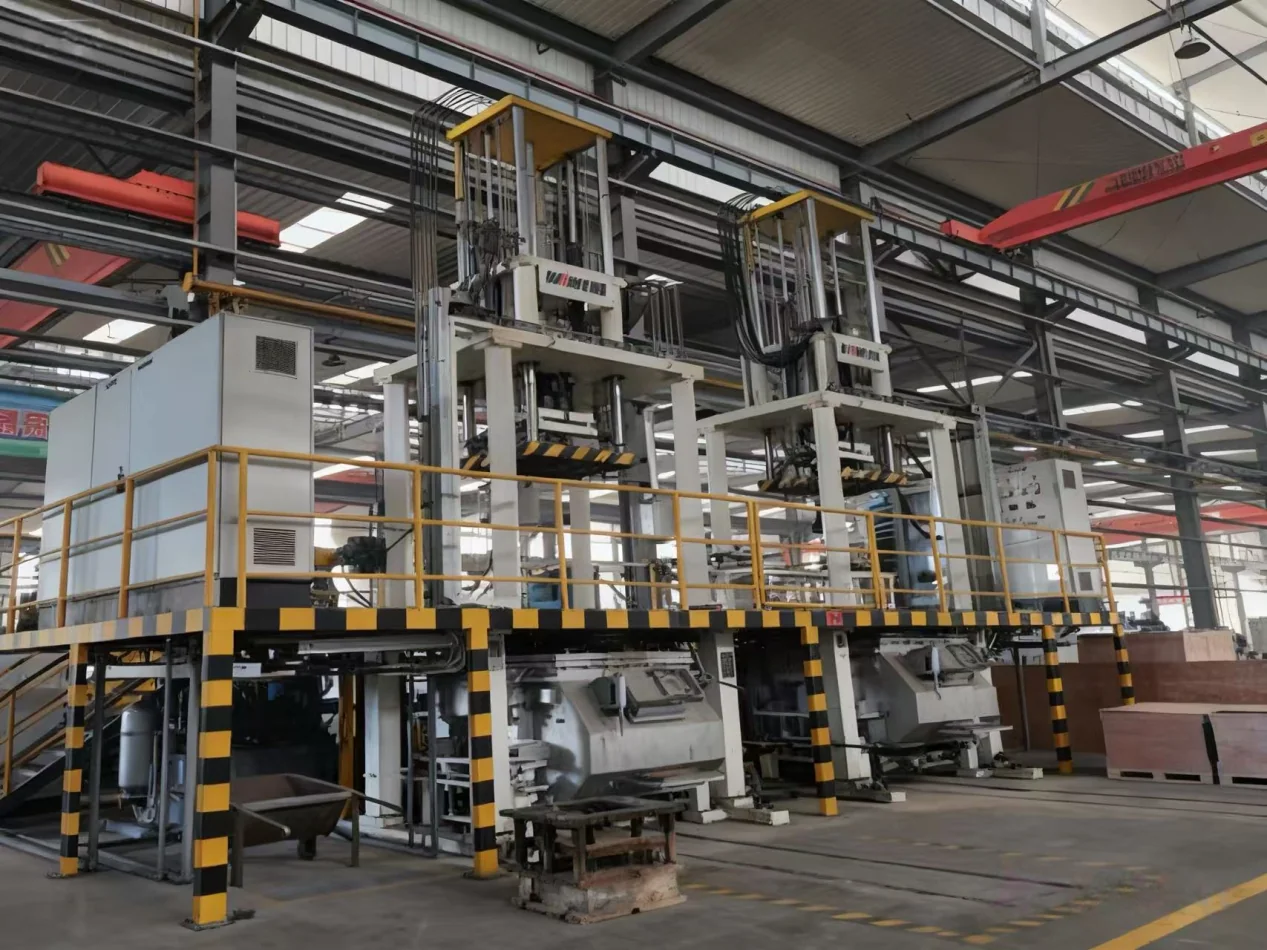
Why Many Misunderstand High Pressure Die Casting
Take a moment. Picture the last time a contractor faced delays due to flawed components. It’s frustrating! High pressure die casting promises high volume production with precision, yet many still underestimate its reliability. Sometimes, the machine settings are just slightly off, leading to defects. Because, let’s be honest, precision in energy infrastructure is everything; even a tiny miscalculation can yield catastrophic results. Often, couples of industry players overlook the difference between high pressure and low pressure die casting, which can lead to subpar choices and project hindrances. Phew, right?
What’s Next for High Pressure Die Casting?
As we look forward, I believe we must stop simply accepting traditional manufacturing approaches. The focus should shift toward more innovative solutions. High pressure die casting can fulfill that role—efficiency, precision, and reduced scrap rates. With ongoing advancements, it’s not uncommon to see manufacturers achieving up to 35% lower production costs compared to conventional methods. You might ask, what’s driving this change? Critical improvements in tooling, automation, and material-quality control. Seriously—those innovations are reshaping our reality.
Revisiting the Comparison: High vs. Low Pressure Die Casting
Reflecting on both high and low pressure die casting techniques, I find that high pressure die casting stands out for mass production applications, especially where dimensional accuracy is critical. While low pressure die casting offers benefits in thick-walled pieces, high pressure casting remains the favored choice for energy infrastructure applications. Picture this: your project’s success increases phenomenally with a consistent supply of complex metal parts. It seems clear—understanding your choices isn’t just advantageous; it’s vital.

Key Takeaways for Energy Infrastructure Partners
Through my experience, I’ve identified three critical metrics to evaluate your options: 1) Production rate efficiency, 2) Defect rates, and 3) Material integrity. Each provides insights into the long-term viability of your selected method. I know firsthand that leveraging these metrics has drastically reduced downtime in my projects. Honestly, it feels rewarding to see tangible results. As energy infrastructure partners, we must stay proactive and informed.
In conclusion, embracing the evolving landscape of manufacturing processes can lead us to improved outcomes. If you’re considering these casting methods, don’t hesitate to assess your choices carefully. After all, working with the right partners, like SH POWER, can make all the difference. Here’s to crafting a more efficient future in energy infrastructure—one cast part at a time!
