
Introduction: A small clinic, a surprising result, and one question
I remember walking into a tiny physiotherapy clinic in Milan and seeing an elderly man smiling as he left after a session—he told me, “I feel younger already.” That scene stuck with me because it contrasted sharply with the data: recent field surveys show adoption of advanced red light technology in clinical settings rising by nearly 40% year-over-year (and yet patient satisfaction varies widely). How can the same tools make one patient rave and another shrug? I ask that because, frankly, I care — and because there’s a practical lesson here for anyone building or buying therapy systems.
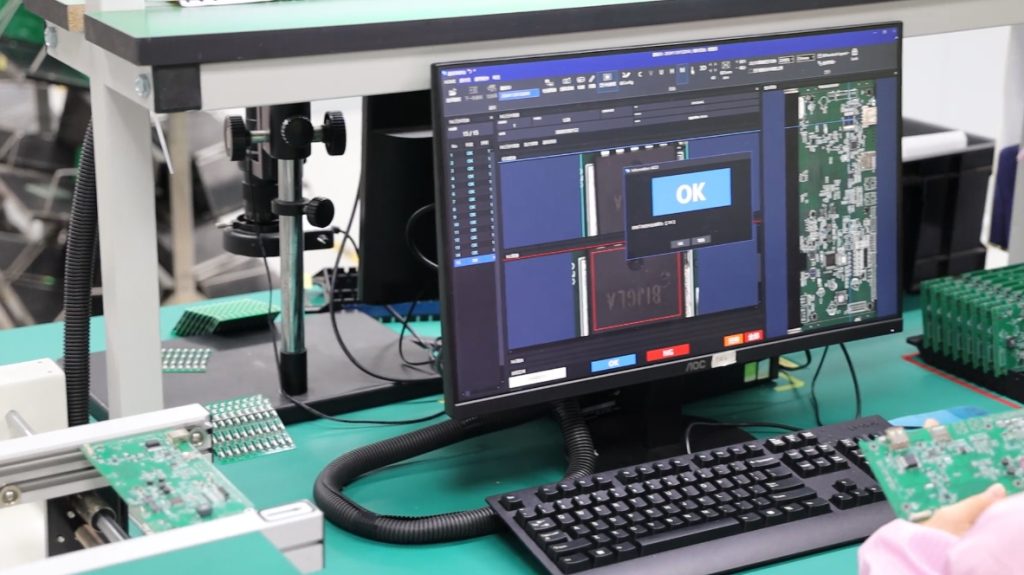
The device on the table used LED arrays and a simple controller, nothing exotic, but the results felt personal. I want to explore why those small differences matter: patient experience, wavelength control, and the system’s ability to deliver consistent fluence. Buono — it’s the little things. So let’s move from that scene to why design choices actually change outcomes, and what you should look for next.
Part 2 — Why many current systems miss the mark
When I dig into red light therapy technologies, I start by breaking the system down: source, power control, optics, and user workflow. At first glance the parts are simple. But under the hood—power converters can introduce noise, LED arrays may age unevenly, and without proper thermal design the output drifts. These are technical faults that translate directly into poor and inconsistent patient results.
What core failure do we see most often?
First, the feedback systems are weak. Many products lack real-time sensing or edge computing nodes that adjust output as conditions change. Second, manufacturers often optimize for cost, not control: cheaper drivers, loose calibration, and minimal diagnostics. Third, there’s poor attention to user flow—clinicians waste time compensating for bad UX rather than treating patients. Look, it’s simpler than you think: a stable power converter and real-time monitoring would fix a lot. — funny how that works, right?
Part 3 — Principles for better, next-generation designs
Moving forward, I believe the best path is to adopt a few clear technical principles. First: precision of wavelength and fluence control. Devices should offer tight wavelength specificity and measure fluence at the skin interface. Second: closed-loop control. Incorporating edge computing nodes for onboard adjustments beats post-hoc lab calibration because it adapts to each session. Third: human-centered interfaces so clinicians can focus on care, not troubleshooting. These are not fanciful; they are practical engineering choices that improve outcomes and lower support burdens.
What’s next for designers and buyers?
For product teams, design decisions should prioritize robustness over marginal cost savings. For buyers, compare systems on measurable metrics — and ask for transparency on calibration routines and thermal management. When teams make those calls, patients get steadier, predictable results. I’ve seen prototypes that follow these principles yield faster recovery reports and less retreatment. — real improvements, not just marketing claims.
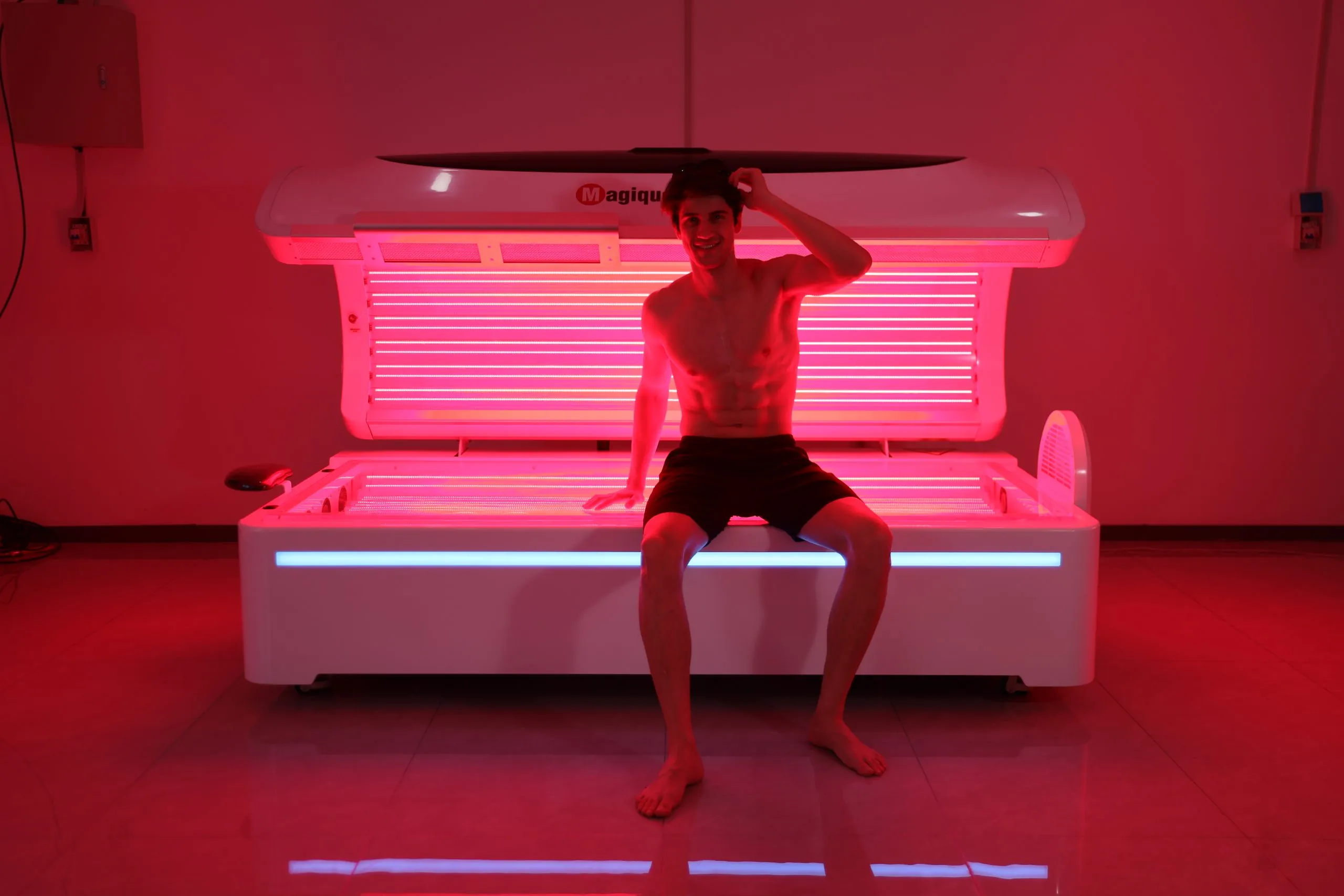
Closing — How to evaluate choices and act
To wrap up, here are three practical metrics I use when evaluating red light solutions: 1) Output consistency (measured variance in fluence across time), 2) Control fidelity (ability to hold wavelength and power within narrow tolerances), and 3) System diagnostics (onboard monitoring, logs, and error reporting). Use these. They tell you more than glossy brochures. I’m confident these criteria separate durable platforms from short-lived gadgets.
We owe patients clear thinking and honest tech. If you’re choosing equipment, don’t be dazzled by features alone; probe for engineering that supports repeatable care. I’ll say it plainly: invest in measurement and control, not marketing. For practical reference and supplier details, check what leaders are doing at Magique Power.
