
Introduction: A Split-Second Choice in the Showroom
You roll into a showroom after work, helmet in hand, and two bikes steal your gaze. One is familiar, the tried-and-true twin. The other is a v4 bike that looks ready to teleport. The v4 cruiser promises smooth power and a high-tech feel, yet your rider brain weighs comfort, heat, and money—fast. Spec sheets are dense, too: torque curves, gear ratios, and heat management all mash together like alphabet soup. Meanwhile, dealer chatter says V4 interest has surged this season (everyone wants the “effortless surge” without the drama). So what actually changes once you ride it? And where do people still get caught out?
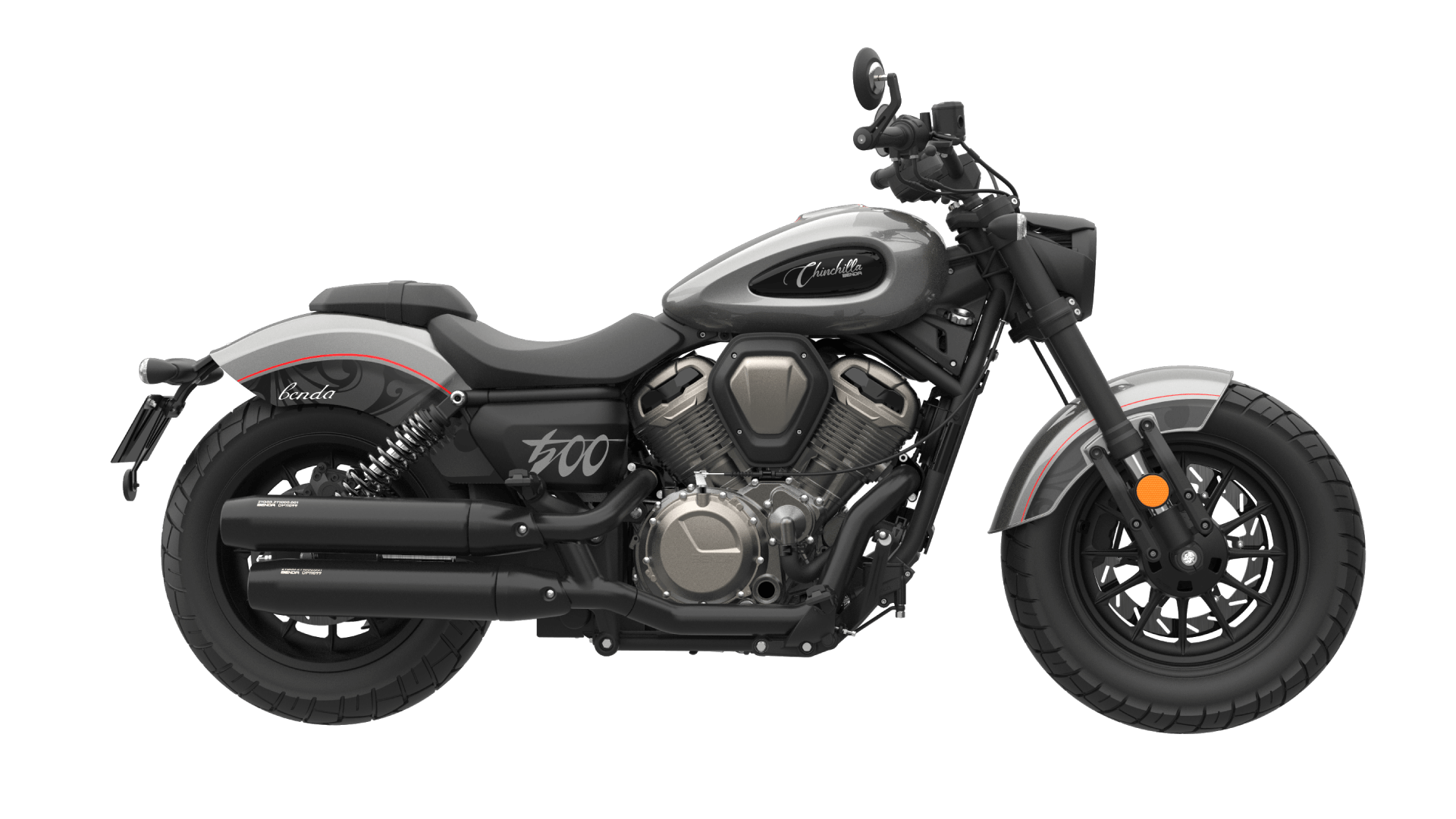
Here’s the twist. The biggest differences aren’t only about horsepower; they’re about how a V4 delivers power, cools itself, and handles weight at low speeds. Those details shape your commute and your weekends—funny how that works, right? Let’s stack the facts next to the hype and see what truly matters.
Part 1 — Comparative Baseline: Where the Ride Diverges
When riders compare a V4 to a twin, they often anchor on peak horsepower. It’s easy to do. But the ride lives in the middle of the rev range, not at the brochure peak. A V4’s torque curve is usually broader and smoother, which helps in traffic and on sweepers. Twins, by contrast, punch early and feel thumpy, which some riders love around town. That difference in delivery changes how you short-shift, how you pass, and even how often you tap the brakes on downhill runs.
Heat is the next blind spot. Packaging a V4 can create hot spots around your legs at low speeds if the bodywork and ducting aren’t right. Some bikes channel air beautifully; others turn city grids into slow-roast sessions. Counterbalancers and engine layout also affect vibes. A well-balanced V4 can feel silkier than an inline-four, while a loping twin sends feedback you might read as “character” or as “buzz.” It’s subjective, but it matters on a long ride.
Then there’s control tech. Slipper clutches, refined ECU mapping, and ride modes on many V4s make low-speed work less jerky. That’s good. But if the final drive ratio skews tall, parking-lot maneuvers can feel heavier than they are. And service reality sneaks in: more cylinders can mean more valves and tighter packaging, so plan for access around the airbox and cooling system. In short, the V4 advantage is real, yet the experience hinges on how the bike manages heat, gearing, and ergonomics—not just on dyno glory.
Part 2 — Deeper Layer: The Trouble with Traditional Fixes on a V4 Cruiser
Where do traditional fixes fall short?
Let’s get technical. Owners of a V-twin often solve low-speed chug and heat with simple tweaks: richer fueling, a different sprocket, maybe a new slip-on. But on a modern V4 cruiser, those “quick wins” can backfire. The v4 cruiser spreads its power through compact packaging, tighter cam timing, and advanced ECU mapping. A blunt fueling change can fight closed-loop logic, raising temps or dulling throttle finesse. Go up a tooth on the rear sprocket to help parking-lot creep and you might spike cruising RPM, adding noise and thirst. And generic heat shields? They can redirect air away from the radiator stack, worsening heat soak at lights—funny how that works, right?
Look, it’s simpler than you think: the “traditional fix list” was built for air-cooled twins and loose fueling maps. A V4 platform needs solutions shaped for its architecture. Think calibrated fueling updates that respect lambda targets, ducting that preserves pressure zones, and bar/peg adjustments that relieve reach without loading your wrists. Suspension sag and rebound also matter more than most riders expect; a few millimeters of preload can calm low-speed pitch, making the throttle feel calmer because the chassis is stable. In other words, treat the system, not a symptom. Work with the bike’s strengths—broad midrange and smooth combustion—and the usual pain points (hot legs, notchy creep, vague front) shrink fast.

Part 3 — Real-World Impact and What’s Next
What’s Next
From here, think forward-looking design—new technology principles, not old band-aids. Current motorcycles with v4 are leaning into smarter thermal paths: staggered radiator cores, fairing vents that pull air using low-pressure zones, and ECU strategies that trim idle advance when you’re stationary. These choices reduce heat soak without wrecking throttle feel. Likewise, ride-by-wire can map early-throttle sensitivity to chassis attitude, so the bike reacts gently when weight is still transferring. Add refined counterbalancers and you get less buzz without killing feel.
Electronics now act as quiet assistants. Cornering ABS, traction logic tuned for mid-corner throttle, and adaptive engine braking make heavy cruisers feel lighter. The outcome is simple: less effort, more confidence. None of this erases basic setup—sag, tire pressure, and brake pad compound still decide your day. But the frontier is coordination: airflow, mapping, and gearing collaborating instead of competing. Summing up our path so far, we’ve moved from spec-sheet myths to system-level thinking. That’s the leap that makes a V4 cruiser feel easy instead of extra. Advisory close-out? Use three metrics when evaluating a V4 choice: 1) thermal design you can verify (ducting, radiator placement, heat shielding that doesn’t block flow); 2) low-speed manners out of the box (first-gear ratio, throttle map, clutch take-up); 3) service transparency (valve access, coolant routing, and maintenance intervals). Choose with those in mind—and your next long ride will feel shorter, in a good way. BENDA
