
Introduction: The Foyer Sets the Story
First impressions live in the foyer, and lighting writes the opening line. In many schedules, nan appears as a placeholder when fixture specs are still in flux. Picture a narrow entrance where a glossy pendant throws glare on the floor and shadows on faces—great drama, poor function. In recent site audits, more than one in three complaints tied back to scale mismatch or control issues, and almost a quarter involved maintenance that cost more than expected (lifts, re-aims, driver swaps). The question for teams is simple: how do we get wow, wayfinding, and low upkeep in one chandelier?
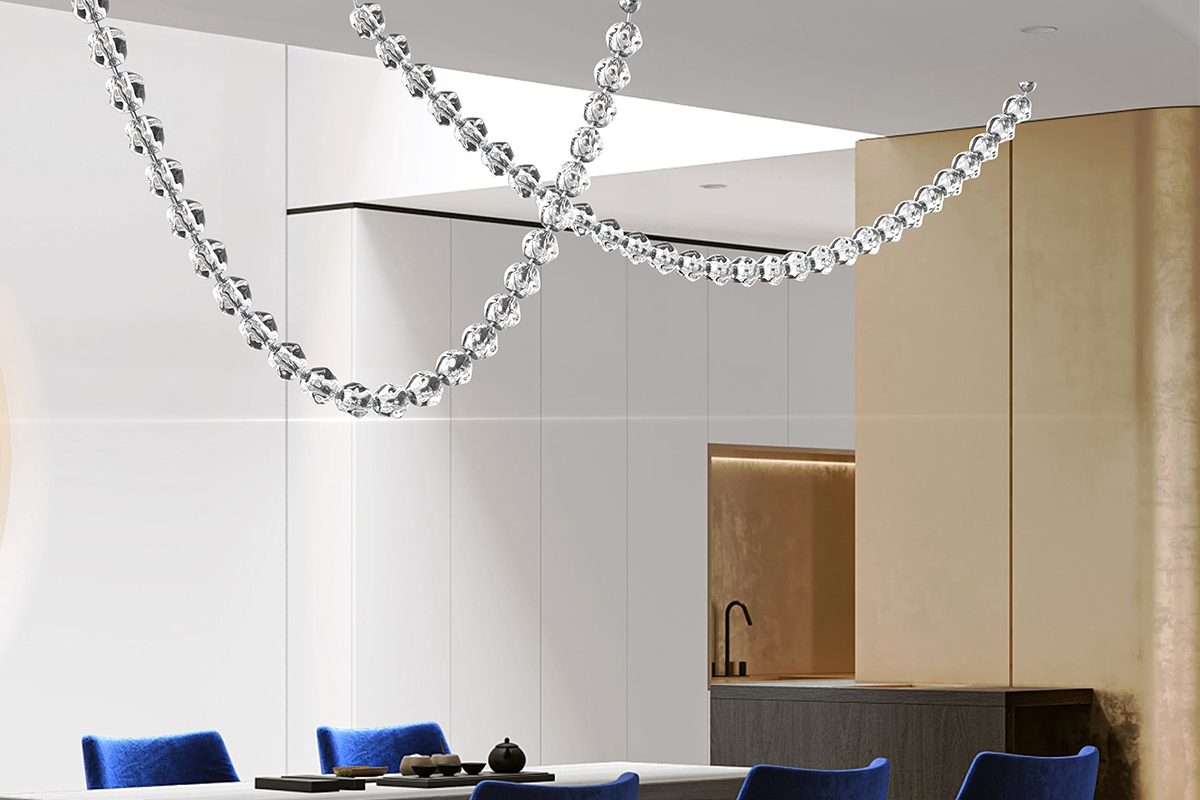
The usual checklists miss context like door swing, ceiling void depth, or solar gain from a nearby sidelight. That’s where a comparative view helps. What works in a sales photo may fail in a real corridor with echo, reflective stone, and people moving fast. So we look at measurable light on the floor, color quality on skin, and clean sightlines at eye level. Then we ask, what breaks first under daily use—finish, driver, or suspension? This article steps through those gaps, and then points to principles that make the entrance feel big, calm, and clear. Let’s move from assumptions to evidence.
Comparative Insight: Hidden Frictions With the Usual Picks
What’s the real friction at the door?
With modern entrance hall chandeliers, the pain is rarely “style.” It is scale, glare, and control. Homeowners pick diameter by guesswork, not by throw distance or beam spread. Installers discover the canopy hits a joist. Then the dimmer causes shimmer because the driver is mismatched. Look, it’s simpler than you think: start with target foot-candles at the floor, then match lumen output and CRI to the space tone. If the foyer has glossy tile, reduce high-angle brightness and widen beam spread to soften contrast. Add a compatible dimming driver so scenes shift cleanly from day to night—no flicker, no steps.
Traditional fixtures often hide weak points. Thin heat sinks age LEDs faster, so color drifts and the chandelier looks “off” next to daylight—funny how that works, right? Non-serviceable LED modules push a full replacement for a tiny fault. And mixed metals tarnish unevenly in humid entrances. Users feel it as fatigue: squinting at hotspots, hearing buzz at low dim levels, climbing ladders to fix what should last. Industry markers help: verify the fixture’s thermal management, confirm driver type and range, check the mounting plate against your ceiling void. Those small checks spare budget and protect the first impression guests see.
Forward-Looking: Principles That Change the Game
What’s Next
New tech helps the foyer behave like a tuned stage, not a bright box. Start with a constant-current driver that supports smooth low-end dimming. Pair it with an optical diffuser that controls high-angle glare while keeping a crisp edge. Tunable-white engines can shift from 3000K in the day to 2700K at night, holding CRI above 90 so skin tones look real. A compact heat sink preserves lumen output over time. In tall spaces—or where a chandelier for duplex house must span two levels—modular LED boards let you service parts without removing the frame. Small change, big calm.
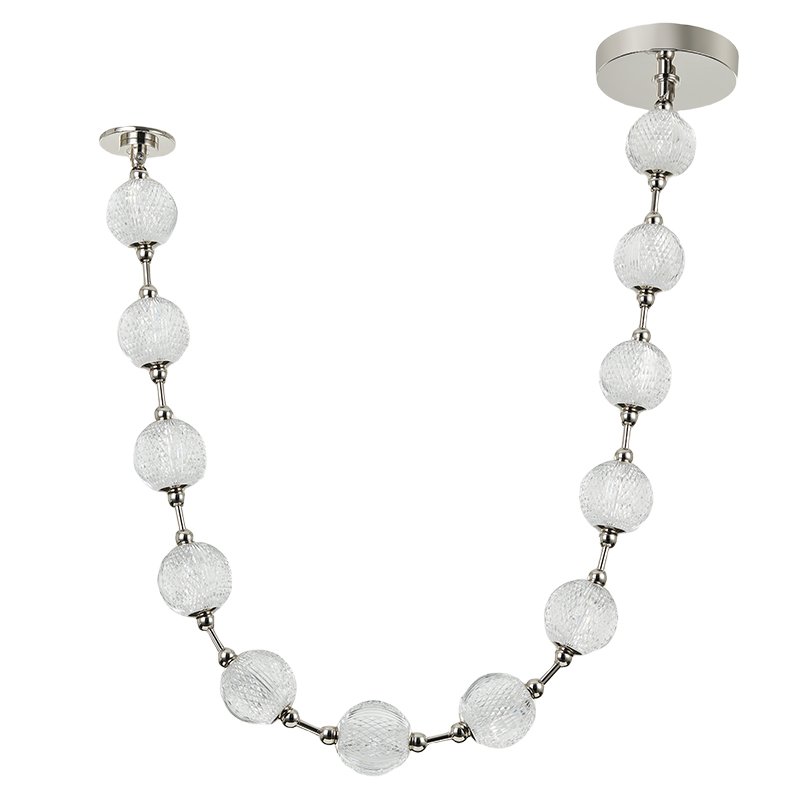
We learned that scale, glare, and control are the silent costs. Now compare forward-looking fixtures: they use better thermal paths, smarter drivers, and cleaner optics. Some add scene recall via wall control or app, but keep core reliability offline (no cloud needed—privacy intact). The result is steady light on the floor, soft light on faces, and fewer callbacks. Advisory close: choose by three metrics. One, target 10–20 foot-candles at the threshold and verify with photometric data. Two, require a compatible dimming curve and documented driver type to avoid flicker. Three, check serviceability and rated life for drivers and LED modules, so your annual maintenance plan is real. That is how a foyer feels welcoming every day, not just on install day. For more technical notes and fixture documentation, see kinglong.
