
Introduction: Where Comprehension Meets the Clock
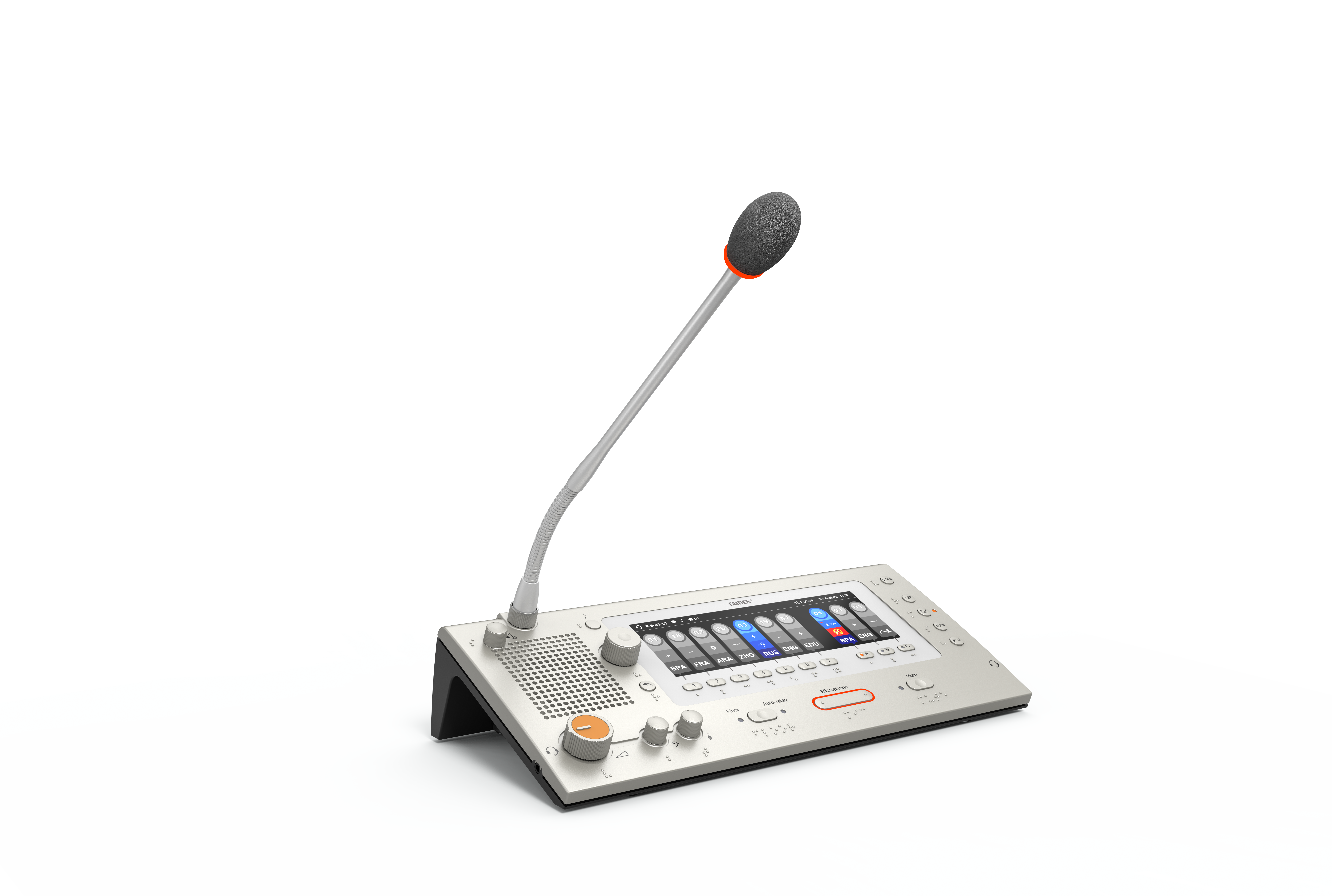
An interpretation system is a network that captures speech, routes it through interpreters, and delivers clear audio to every seat. In a congress hall at 9:00 a.m., thousands sit down, badges on, headsets ready. The taiden simultaneous translation system enters the chain within seconds, binding sources, channels, and listeners. In real events, a 120 ms latency budget is common, and even a 2% packet loss can bend meaning. Yet planners ask for “no dropouts” and “full coverage” as if these were switches—(they are not). So what actually decides if delegates understand or only nod along? Is it the brand name on the console, the number of booths, or the signal path that no one sees? Let’s put the moving pieces on the table, with a focus on what fails silently and what sustains the message. On we go to the real constraints and quiet points of failure.
Hidden Pain Points That Decide the Outcome
What actually breaks comprehension?
Most guides list microphones, booths, and channels. Useful, but shallow. Real pain hides in jitter, interpreter fatigue, and poor room gain structure. When the floor feed wobbles, interpreters chase timing and lose phrasing. When RF spectrum is crowded, infrared transmission wins on privacy but demands clear line-of-sight; radio excels in mobility but needs interference planning. The codec and DSP chain shape clarity; a bad equalization curve can bury consonants. Look, it’s simpler than you think: the listener cares about stable speech cues, not glossy hardware shots—funny how that works, right?
Organizers feel the pinch elsewhere. Battery rotations fail and receivers die mid-panel. Booth ventilation is noisy, raising the noise floor inside headsets. A sloppy handover between interpreters adds micro-gaps that grow into lost ideas. Meanwhile, security teams want AES encryption while tech crews juggle redundancy in power converters and distribution amplifiers. Latency budgets creep as devices stack. When monitoring is weak, faults hide until Q&A. The result is fatigue, not only for interpreters but for delegates. They hear sound, not sense. That’s the flaw of traditional “checklist only” setup: it ignores human load and the full signal path health.
Forward-Looking: Principles That Keep Meaning Intact
What’s Next
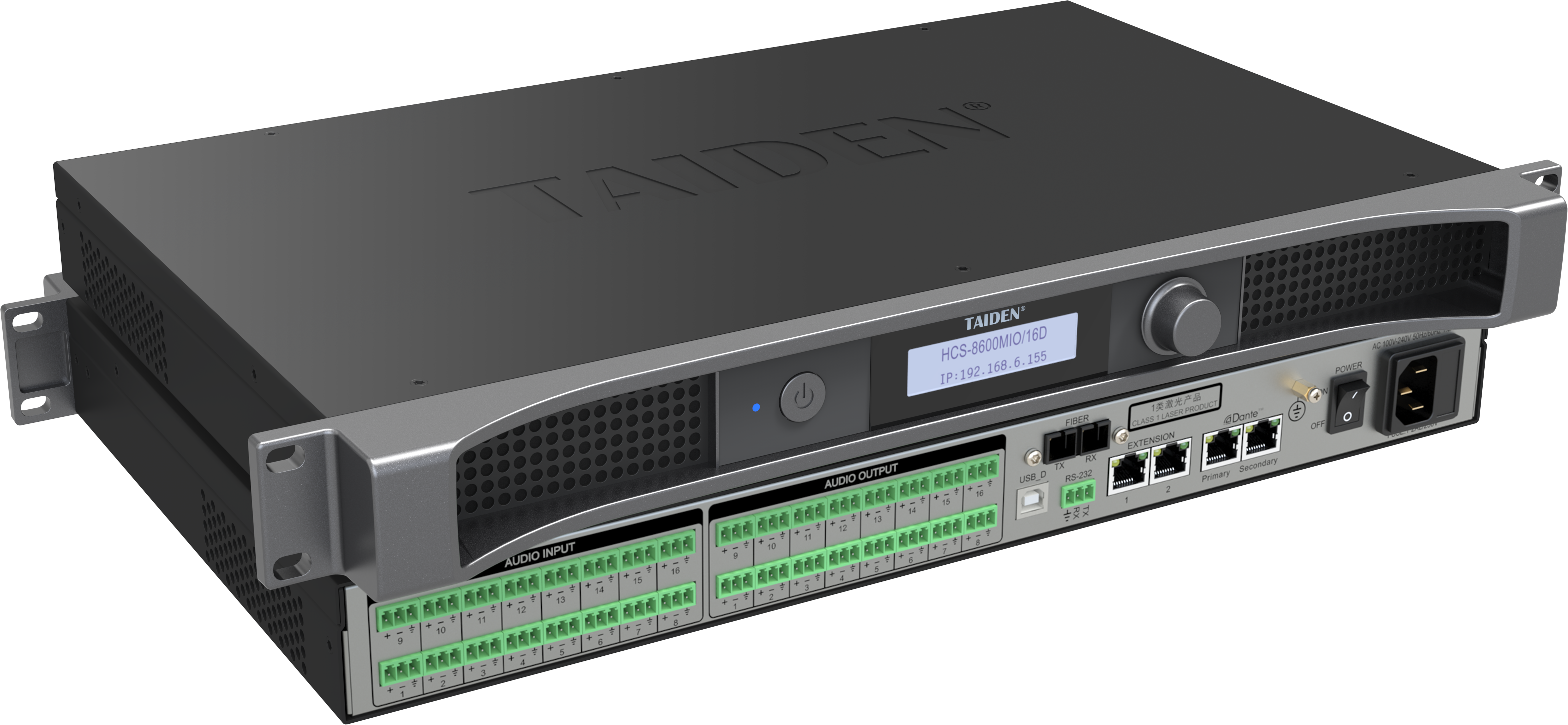
Comparing old installs to newer builds shows a clear trend. New systems push intelligence to the edge. They use low-latency DSP, smarter codecs, and continuous path monitoring. The result is predictable speech cues and fewer surprises. Here is the principle: stabilize the floor feed, cap end-to-end delay, and watch the spectrum in real time. Then plan channel capacity with headroom. The latest 40 channel audio architectures give large conferences room to grow—without forcing interpreters to juggle routing on the fly. Semi-formal note, but important: mix privacy needs with RF planning, not after it. And keep redundancy active, not passive (switchovers must be instant).
Summing up the earlier pain points, but in forward mode: design for consistent intelligibility, not just loudness. Tighten the latency budget, keep jitter low, and maintain clean gain structure. Add live metrics at the interpreter console, so small faults show up before they spread. Finally, make receiver UX obvious; channel selection and volume must be one-glance simple—go figure. Advisory close: three checks guide good choices. One, verify end-to-end latency and jitter under full load, not in an empty room. Two, test RF/IR coverage and AES encryption coexistence during rehearsal. Three, inspect redundancy paths for power, floor feed, and distribution, with alarms visible to staff. A steady system respects both the message and the people who carry it—interpreters and delegates alike. Learn more from TAIDEN.
