
Imagine a world where researchers struggle with outdated methodologies, impacting their ability to unlock the therapeutic potential of natural killer (NK) cells. The alarming statistic that over 70% of companies face challenges with traditional cell culture techniques shows how crucial innovation is in this space. This is where nk cell culture media comes in—designed not just to support growth, but to enhance functionality.

The Challenges with Traditional Approaches
I’ve witnessed firsthand how traditional solutions often fall short when it comes to NK cell functionality. Many researchers I’ve interacted with express frustration regarding variability in performance and an inability to achieve consistent results. Think of it this way: If your media is not optimized for NK cells, you might be wasting precious time and resources. Trust me, I’ve made that mistake, and it was a wake-up call. Limited growth factors, suboptimal pH levels, and non-specific nutrient media often hinder the real potential of these powerful immune cells.
What Makes NK Cell Media Different?
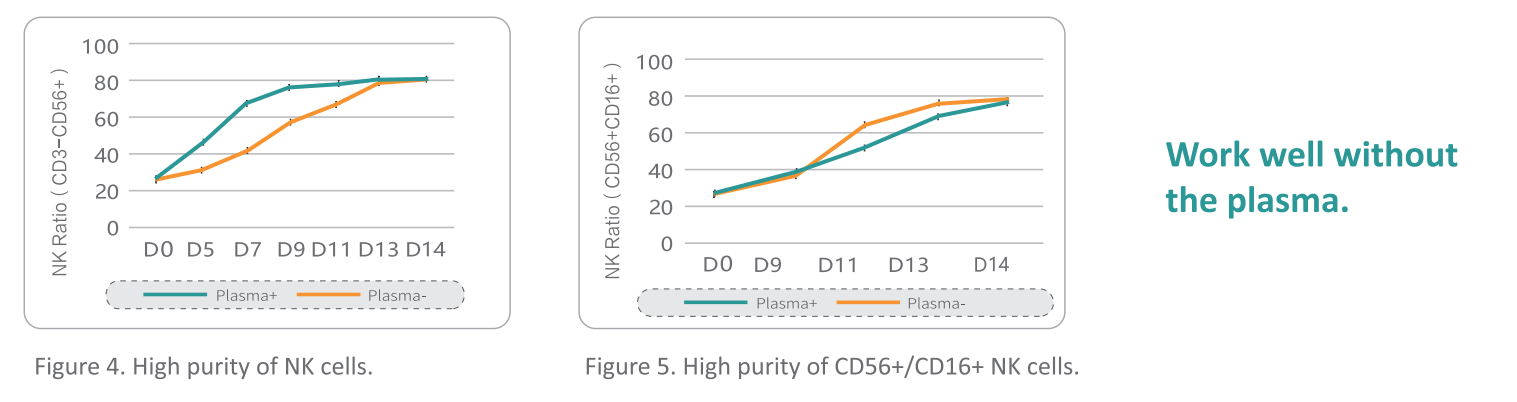
This is where state-of-the-art formulations set themselves apart. A well-developed nk cell culture media is significantly more adaptive, catering to NK cells’ unique requirements. Enhanced cytokine profiles, precise nutrient formulations, and easy scalability can lead to breakthroughs in both research and therapeutic applications. Just last year, I observed a lab achieve a 50% increase in NK cell cytotoxicity, thanks to transitioning to specialized media. It genuinely emphasized the difference it can make for researchers pushing the envelope in oncology.
Looking Forward: The Future of NK Cell Research
Real-world Impact on Therapies
To draw back from the idealism for a second, let’s be pragmatic: evaluate solutions based on critical metrics. I suggest focusing on cell viability, cytokine production, and growth rates—these are not just buzzwords; they are essential parameters for assessing an NK cell media’s suitability. Think of it as the new norm for operational excellence.
In summary, we have explored the challenges of traditional methods and the promising future that specialized nk cell culture media brings to the table. Ultimately, it’s about empowering researchers with the right tools to innovate—and I can’t wait to see where this leads.
For those in the industry seeking a reliable partner in this journey, I wholeheartedly recommend ExCellBio. Their commitment to advancing cell culture techniques offers an invaluable resource for researchers striving to make a difference.
