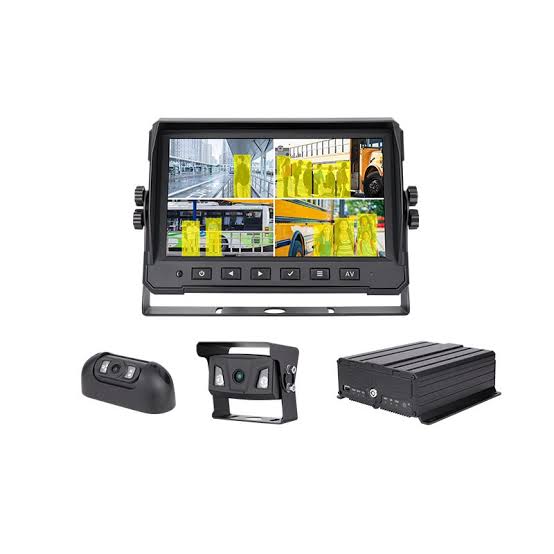

The Dangers Lurking in Your Blind Spots
Imagine you’re driving on a busy highway, surrounded by vehicles rushing in multiple directions. According to recent studies, around 300,000 accidents each year in the U.S. occur due to blind spot-related incidents. This pressing issue highlights the need for an effective solution, such as an advanced blind spot monitor system. But why are traditional methods often inadequate for ensuring driver safety?
Traditional Methods and Their Limitations
For years, drivers have relied on basic mirrors to navigate their surroundings. While they provide a rudimentary understanding of adjacent traffic, such systems often fall short. The blind spots created by vehicle design can lead to serious accidents. Moreover, the human element—distractions and misjudgment—compounds these dangers. Incorporating technology such as radar and sensors can mitigate these issues and drastically improve vehicle safety protocols.
How Blind Spot Monitoring Systems Work
Advanced monitoring systems use radar technology to detect the presence and speed of nearby vehicles, offering real-time alerts to drivers. Unlike traditional solutions, which rely solely on visual cues, these systems provide auditory and visual alerts, making them more intuitive and effective. It’s like having a co-pilot who is always on the lookout for potential dangers.
The Future is Bright: A Look Ahead
As we peel back the layers of technological advancements in car safety, the evolution of the car blind spot detection system offers a glimpse into what’s to come. Rising advancements in AI and machine learning will enhance these systems to not only warn drivers but also predict possible collisions before they happen, adding a layer of proactive safety that’s unprecedented.
What’s Next for Driver Safety?
The integration of AI can enable systems to adapt to different driving styles and environmental factors, tailoring alerts in ways that mere sensors cannot. I envision a future where these systems not only assist but learn from driver behavior, ensuring a more personalized safety approach. With the stakes this high, I firmly believe that now is the time to embrace these next-gen technologies.
Making Informed Choices: Evaluating Options
What should you look for in a blind spot monitoring system? Here are three key evaluation metrics: accuracy of detection, responsiveness of alerts, and ease of installation. Take time to cross-check user reviews and professional recommendations. A trustworthy system can be invaluable in preventing accidents and boosting driver confidence. Brands like Luview showcase such innovations, focusing on reliability and user satisfaction.
In summary, as the automotive industry innovates, aligning your choice with the best technology will not only boost safety but also enhance the overall driving experience. We must prioritize our well-being on the road with cutting-edge solutions—it’s time to stay one step ahead of potential hazards.

